
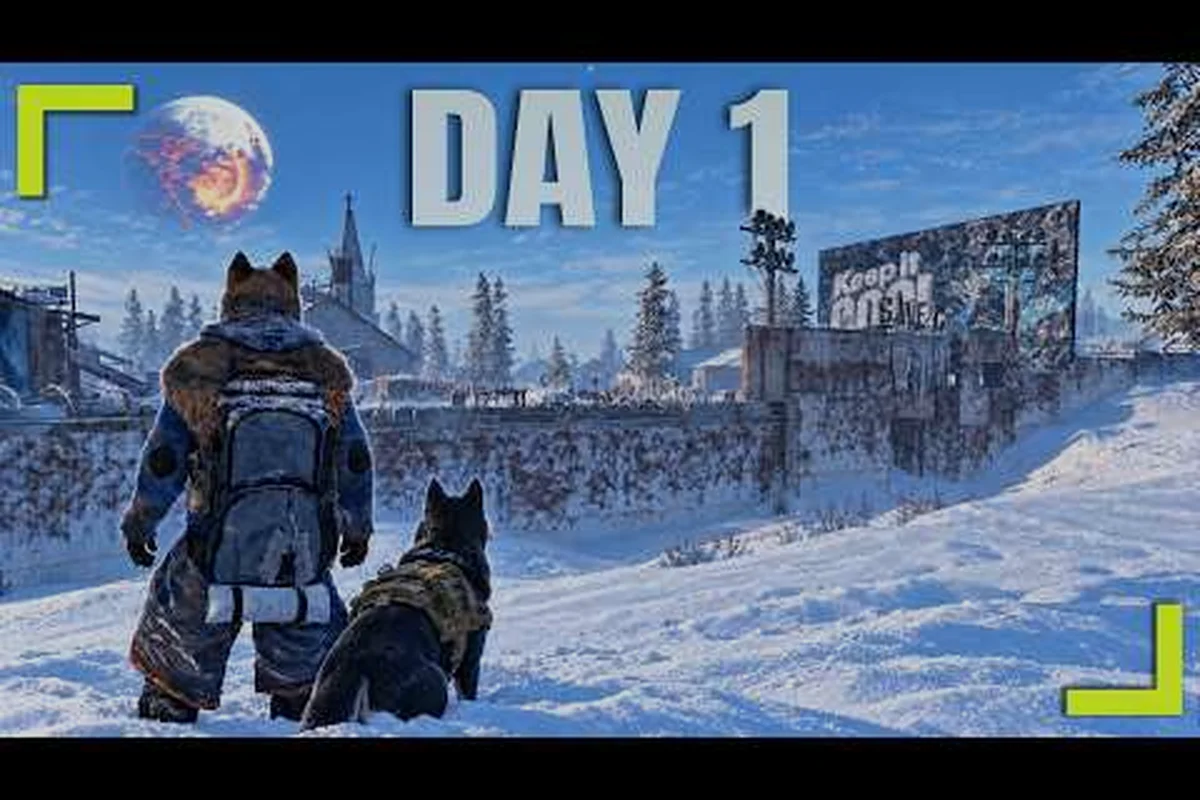
Stamina is the quiet killer in Permafrost. You can stack firewood, patch a shelter, and memorize every wolf spawn, but if your Rook runs out of energy halfway through a blizzard, none of that preparation matters. This permafrost stamina guide breaks down how energy drains, how to recover it efficiently, and why sleeping near a proper heat source is the single most important habit you can build.
Understanding the Stamina and Energy System
Permafrost does not treat stamina as a simple sprint meter. It is a full-body resource that governs nearly every action your Rook takes, from swinging a hatchet to dragging a deer carcass through deep snow. The game's official Steam page describes the world as one where "the cold itself is your deadliest enemy," and that cold directly accelerates energy loss in ways that new players often misunderstand.
How Cold Multiplies Energy Drain
The core mechanic is a temperature gradient. When your Rook stands near a lit campfire or inside a heated shelter, the ambient warmth keeps your core temperature stable, and stamina regenerates at the baseline rate. Step outside into a storm, and the game applies a cold multiplier to every action. Chopping wood that costs 15 stamina at camp might cost 22 or more in a whiteout because your body is fighting hypothermia at the same time.
| Condition | Stamina Drain Multiplier | Regeneration Rate | Notes |
|---|---|---|---|
| Heated shelter | 1.0x | Full | Best state for recovery |
| Campfire nearby | 1.1x | High | Slight drain from smoke exposure |
| Cold outdoor | 1.4x | Low | Standard winter travel |
| Blizzard | 1.8x | None | Regeneration stops entirely |
| Frostbite active | 2.2x | Negative | Health also ticks down |
The table above reflects community testing data gathered during the Early Access launch window. Exact numbers may shift with patches, but the relationship holds: cold exposure is a stamina tax, not just a health threat. Players who ignore clothing temperature ranges burn through energy twice as fast as those who dress for the weather.
The Hidden Link Between Hunger and Energy
Hunger is not a separate problem from stamina in Permafrost. The two systems feed into each other through a metabolic buffer. When your Rook is well-fed, the body converts calories into a slow trickle of stamina regeneration even while walking. When the hunger bar drops below roughly 30 percent, that trickle stops, and every physical action costs more.
This means a permafrost energy guide cannot focus on sleep alone. You need to manage food intake as a form of passive energy recovery. A cooked meal before a long trek is worth more than a nap, because the calorie reserve keeps your stamina bar from bottoming out during the first hour of travel. Starving Rooks collapse faster, not because they are weaker, but because they have no metabolic cushion to absorb the cold multiplier.
Campfire Mechanics and Heat Management
The campfire is the most accessible stamina recovery tool in the early game, but it is also the most misunderstood. Players light a fire, stand next to it for ten seconds, and wonder why their stamina barely moved. The answer lies in how Permafrost calculates heat radius and fuel quality.
Fuel Types and Burn Duration
Not all wood burns the same. The game distinguishes between tinder, small branches, split logs, and dense hardwood, and each fuel type changes both the fire's duration and its effective heat output. A fire built from wet branches produces smoke but little warmth, while a hardwood fire can warm a small shelter for an entire night.
| Fuel Type | Burn Time | Heat Output | Best Use Case |
|---|---|---|---|
| Tinder | 2-3 min | Very low | Starting a fire only |
| Small branches | 8-12 min | Low | Quick warm-up |
| Split logs | 25-35 min | Medium | Standard overnight fire |
| Dense hardwood | 45-60 min | High | Blizzard survival |
The permafrost campfire guide principle is simple: always carry at least two fuel types. Tinder gets the fire started, but split logs keep it alive. If you only bring branches, you will spend half the night feeding the fire instead of sleeping, which defeats the purpose of resting.
Positioning and Wind Direction
Heat in Permafrost is directional. Standing upwind of a fire gives you almost no benefit because the smoke and warm air blow away from you. The game models wind direction as a real environmental factor, and community reports confirm that positioning yourself between the fire and a windbreak, such as a rock face or shelter wall, dramatically improves warmth gain.
When you set up a camp, look for natural windbreaks before lighting anything. A fire in the open during a storm is nearly useless. A fire tucked against a cliff or inside a ruined building can raise the effective temperature by several degrees, which translates directly into faster stamina regeneration and a safer sleep cycle.
Health Recovery and Healing Methods
Stamina and health are linked in Permafrost through the exhaustion threshold. When your stamina bar empties completely, your Rook enters a collapsed state where health begins draining. This is the game's way of punishing players who push too hard without resting, and it is the main reason why stamina management is a survival skill, not a convenience.
Passive Healing vs. Active Healing
Permafrost offers two healing paths. Passive healing occurs when your Rook is warm, fed, and resting, and it restores health slowly over time. Active healing requires consumables like bandages, salves, or cooked meals with restorative properties. The key difference is that passive healing only works when your stamina is above a certain threshold, so you cannot recover health while exhausted.
| Healing Method | Health Restored | Stamina Cost | Requirements |
|---|---|---|---|
| Resting by fire | Slow, gradual | None | Warmth + food |
| Bandage | Small, instant | None | Clean cloth |
| Herbal salve | Medium, over time | Low | Foraged herbs |
| Cooked meal | Medium, instant | None | Meat + fire |
| Full sleep cycle | Large, gradual | None | Safe shelter |
The permafrost health recovery loop works best when you combine methods. Eat a cooked meal, apply a salve, then sleep through the night. Each layer stacks with the others, and the result is a Rook who wakes up with full health and stamina instead of one who barely survived the night.
Why You Should Never Travel Injured
Traveling with low health is a death sentence in Permafrost because the cold multiplier applies to your injury penalty as well. A Rook at 40 percent health loses stamina faster than a healthy Rook, which means you will need to rest more often, which means you will spend more time exposed to the cold. It is a downward spiral that ends in a collapsed Rook far from shelter.
The permafrost how to heal answer is not complicated: stop, make a fire, and recover before moving on. The ten minutes you spend healing are always cheaper than the hour you lose backtracking to your corpse. A campfire restores health at roughly 2 HP per second while you sit within its warmth radius, and pairing it with a sleeping bag doubles the recovery rate, bringing a Rook from 20 percent back to full in under three minutes. If you are deep in a blizzard zone, prioritize heat retention first — a fire without wind cover burns out faster, so build against a rock face or inside a ruined structure. Carrying two firewood bundles (six logs total) ensures you can always afford a full recovery cycle even when gathering nodes are scarce.
Sleeping Strategies for the Endless Winter
Sleep is the most powerful stamina recovery tool in Permafrost, but it is also the most dangerous. Sleeping in the wrong place can kill you faster than any wolf, because your Rook is completely vulnerable while unconscious. A permafrost sleeping guide has to cover both where to sleep and how to prepare for it.
How to Sleep Safely
The game requires three conditions for safe sleep: warmth, shelter, and security. Warmth comes from a fire or heated structure. Shelter means a roof or enclosed space that blocks wind and snow. Security means no immediate predator threat nearby. If any of these conditions is missing, your sleep will be interrupted or your Rook will take damage during the night.
The permafrost how to sleep mechanic is not automatic. You need to interact with a bed, bedroll, or improvised sleeping spot, then confirm the sleep duration. Longer sleep restores more stamina and health, but it also consumes more fuel for your fire and leaves you vulnerable for a longer window. Most experienced players recommend sleeping in four-hour blocks rather than eight-hour stretches, because it lets you check the fire and reassess threats between cycles.
Shelter Types and Sleep Quality
Not all shelters are equal. A ruined building with a roof provides better sleep quality than a tent, and a tent provides better sleep than a bedroll in the open. The game tracks sleep quality as a hidden stat that determines how much stamina you recover per hour of rest.
| Shelter Type | Sleep Quality | Stamina Restored per Hour | Risk Level |
|---|---|---|---|
| Open bedroll | Low | 15% | Very high |
| Tent | Medium | 22% | Medium |
| Ruined building | High | 30% | Low |
| Fortified base | Very high | 38% | Minimal |
Building a proper shelter is a long-term investment, but it pays off every single night. The permafrost base building guide covers the full construction process, and it is worth reading before you commit to a permanent camp location. A fortified base with a proper bed and fireplace turns sleep from a risky gamble into a reliable recovery tool.
The Dog Companion's Role in Sleep
Your canine companion is not just a combat ally. The dog provides early warning during sleep, barking when predators approach and giving you time to wake up and defend yourself. This makes sleep dramatically safer, especially in the early game when you do not have a fortified base yet. The permafrost dog companion guide explains how to find and bond with your dog, and it is one of the most impactful upgrades you can make to your survival routine.
Advanced Stamina Optimization Techniques
Once you understand the basics, the real depth of Permafrost's stamina system opens up. Experienced players use a combination of route planning, food buffs, and timing to stretch a single stamina bar across an entire day of work. Route planning matters because every meter walked between resource nodes, workbenches, and storage containers drains stamina that could otherwise fund an extra swing of the pickaxe or a full sprint back to shelter before the cold bites. Food buffs compound this: consuming a cooked meal before leaving camp applies a temporary stamina regeneration multiplier, while raw or frozen rations restore less and cost body heat to digest. Timing is the final lever — performing heavy tasks like chopping frozen wood or hauling salvage during the warmest daylight hours reduces the stamina cost per action, since extreme cold applies a hidden penalty that scales with your current body temperature. Players who chain these three factors together can clear an entire salvage route, return to a campfire, and still have enough reserve to handle a surprise blizzard encounter without collapsing mid-trek.
Route Planning and Energy Budgeting
Every trip away from your base is a stamina budget. You have a fixed amount of energy, and every action spends from it. The trick is to plan your route so that you never hit zero far from safety. This means knowing where landmark shelters are located, carrying enough fuel for an emergency fire, and never committing to a long trek with less than half a stamina bar.
The permafrost beginner guide covers the fundamentals of map navigation and early game priorities, and it pairs well with the stamina budgeting strategy outlined here. The more you understand the map, the better you can plan routes that minimize cold exposure and maximize recovery opportunities.
Food Buffs and Timing
Certain cooked meals provide temporary stamina buffs that go beyond simple hunger relief. A hearty stew made from multiple ingredients can increase your maximum stamina for several hours, while a dried meat ration provides a slow trickle of energy over time. The key is to eat buff foods before you need them, not after you are already exhausted.
| Food Item | Stamina Effect | Duration | Best Timing |
|---|---|---|---|
| Dried meat | +10% regen | 2 hours | Before travel |
| Hearty stew | +15% max stamina | 3 hours | Before heavy labor |
| Herbal tea | +20% regen | 1 hour | Before sleep |
| Raw meat | None, risk of illness | N/A | Never eat raw |
The permafrost energy guide principle is to treat food as a performance enhancer, not just a hunger bar filler. A Rook who eats a hearty stew before chopping wood gets more work done per stamina point than one who chops on an empty stomach.
The Collapse Spiral and How to Avoid It
The most dangerous pattern in Permafrost is the collapse spiral. It starts when you push too hard, run out of stamina, and collapse in the cold. You wake up with low health, which makes your stamina drain faster, which makes you collapse again sooner. Each cycle leaves you weaker and farther from safety.
Breaking the spiral requires discipline. The moment your stamina drops below 25 percent, stop and rest. Build a fire if you can, eat something if you have it, and wait for your energy to recover before moving on. The five minutes you spend resting are always cheaper than the twenty minutes you spend recovering from a collapse.
Frequently Asked Questions
How do I recover stamina fast in Permafrost?
The fastest stamina recovery comes from sleeping in a heated shelter with a full stomach. A fortified base with a fireplace restores up to 38 percent of your stamina per hour, while eating a cooked meal before bed adds a passive regeneration buff that stacks with the sleep bonus.
What happens when my stamina hits zero?
Your Rook enters a collapsed state and begins losing health. If you collapse in the cold, the damage accelerates because the cold multiplier applies to your exhausted body. Always stop and rest before your stamina bar empties completely. This is especially dangerous during long treks between shelters, where a single misjudged sprint can leave you stranded far from any heat source with a rapidly draining health pool. A useful rule of thumb is to keep at least 25 percent stamina in reserve whenever the temperature reads below freezing, since that buffer gives you enough time to reach a campfire or bedroll before the collapse penalty kicks in.
Can I sleep without a bed in Permafrost?
Yes, you can use a bedroll or improvised sleeping spot, but sleep quality drops significantly. An open bedroll restores only 15 percent of your stamina per hour and leaves you vulnerable to predators, so it should only be used as a last resort.
Does food affect stamina recovery?
Food is essential for stamina recovery because a full hunger bar provides a metabolic buffer that regenerates energy passively. When your hunger drops below 30 percent, that regeneration stops and every action costs more stamina, making food management a core part of any energy strategy.
Is the campfire worth building every night?
Yes, a campfire is the most reliable early game heat source and stamina recovery tool. Position it near a windbreak and feed it split logs for a full night of safe sleep, and you will wake up with significantly more energy than if you slept cold.
Managing stamina in Permafrost is not about finding a single trick or exploit. It is about building a routine that respects the cold, uses food as fuel, and treats sleep as a strategic resource rather than a luxury. Once you internalize the relationship between warmth, hunger, and energy, the endless winter stops feeling like a constant emergency and starts feeling like a problem you can actually solve.