
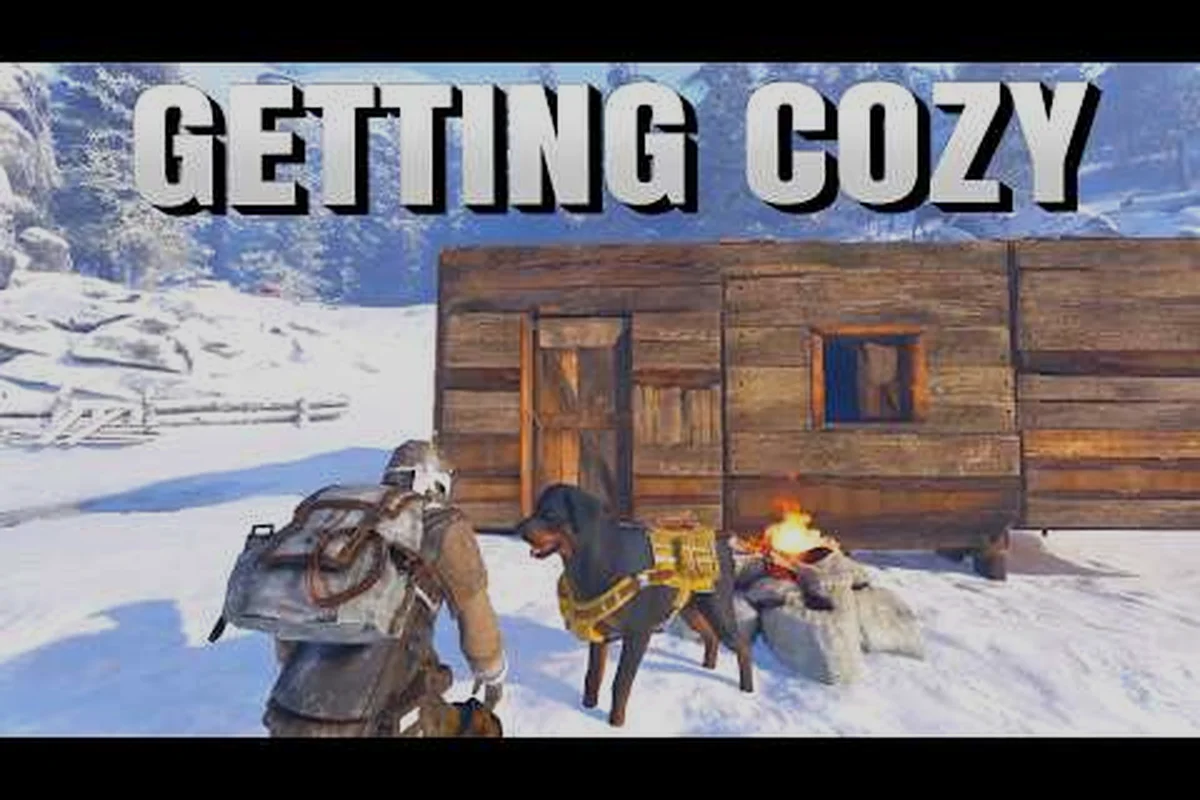
Understanding the permafrost survival stats guide is the fastest way to stop dying to invisible timers. Frostbite, hypothermia, dehydration, and bleeding each drain your character through different math, and knowing which one kills fastest changes every decision you make in the field. This breakdown gives you the numbers, the thresholds, and the exact recovery windows so you can plan routes instead of reacting to red screens.
Core Survival Stat Framework
Permafrost runs on a layered condition system where each winter mechanic feeds into the others. The permafrost winter survival mechanics are not independent bars; they interact through shared modifiers like Core Temperature, Wind Chill Factor, and Clothing Insulation Value. When your core temperature drops below a threshold, frostbite accumulation accelerates, and frostbite wounds then increase your vulnerability to hypothermia. This cascade is why new players often die with full hunger bars and no visible threat on screen.
The official Steam page for Permafrost on Steam describes the cold as an active, ever-present force rather than a passive environmental timer. Storms, creeping chill, and shelter quality all modify how quickly your condition bars degrade. According to community data gathered during the Early Access launch window, the average player survives roughly 18 minutes in open exposure before the first fatal condition triggers, though this varies widely by clothing loadout and movement choices.
| Stat | Primary Drain Source | Fatal Threshold | Recovery Method |
|---|---|---|---|
| Frostbite | Exposed skin in sub-zero wind | 100% on any limb | Amputation or prolonged heat |
| Hypothermia | Core temperature below 35°C | 28°C core temp | Shelter + heat source |
| Dehydration | Time since last water intake | 0% hydration | Clean water or melted snow |
| Bleeding | Lacerations from wildlife or falls | 40% blood volume | Bandages or improvised cloth |
Each stat has a different time-to-kill profile. Bleeding is the fastest killer when active, but it only starts from specific injury events. Hypothermia is the slowest onset but the hardest to reverse once it passes the moderate stage. Frostbite sits in the middle, permanently reducing limb function before it kills outright.
Frostbite Mechanics and Limb-Specific Damage
Frostbite in this permafrost survival stats guide works as a localized condition rather than a global bar. Each exposed limb accumulates frostbite independently, and the rate depends on the Clothing Insulation Value of that specific slot. Hands and feet accumulate frostbite roughly 40% faster than the torso because gloves and boots typically have lower insulation ratings than chest pieces. The face slot is the most dangerous because early-game headwear rarely covers it fully.
Frostbite Stages and Thresholds
The frostbite progression follows a four-stage model that mirrors real-world cold injury classification, but the key survival insight is that accumulation percentages are tracked per body part rather than as a single global pool. Community testing shows that stage transitions happen at predictable percentages — every 25% of accumulated frostbite on a given limb advances you one stage — letting you plan exactly when to retreat to shelter. For example, if you are at 18% accumulation on both hands after a daytime foraging run, you have roughly 7% of buffer before crossing into Stage 2, where the reduced dexterity penalty begins to affect reload speed. This per-limb tracking also means you can strategically rotate which body parts face the wind, sacrificing a leg to frostbite while keeping your hands warm enough to operate weapons during the trek back.
| Stage | Accumulation % | Symptoms | Reversible? |
|---|---|---|---|
| Stage 1 | 1-25% | Numbness, slight screen desaturation | Fully reversible with warmth |
| Stage 2 | 26-50% | Reduced dexterity, slower reload | Reversible with extended heat |
| Stage 3 | 51-75% | Severe motor penalty, blurred vision | Partially reversible |
| Stage 4 | 76-100% | Permanent tissue death, limb loss | Irreversible without amputation |
The Wind Chill Factor multiplies frostbite accumulation when you are moving against the wind or standing in exposed areas. A player in full Stage 2 frostbite on both hands will fail weapon reloads and crafting attempts at roughly double the normal rate, which turns combat encounters into death sentences if you push too far from shelter.
Frostbite Prevention Loadout Priorities
Your gear choices directly control how fast frostbite builds. The permafrost winter survival mechanics reward layered clothing with specific slot coverage over raw armor values. A high-armor chest piece with poor insulation performs worse than a low-armor parka with high insulation when the temperature drops below -20°C.
-
Face slot first: The face accumulates frostbite fastest because early headwear leaves gaps. Prioritize any face covering, even a basic scarf, before upgrading other slots.
-
Hands second: Gloves with Insulation Value above 30 are the single best early purchase. Frostbitten hands cripple every interaction in the game.
-
Feet third: Boots matter less for frostbite than for movement speed on ice, but frostbitten feet reduce sprint duration significantly.
-
Torso last: The chest slot has the highest base insulation on most clothing, so it is the lowest priority for early upgrades.
Hypothermia and Core Temperature Management
Hypothermia operates on a global Core Temperature value that drops whenever your body loses heat faster than it produces it. The permafrost hypothermia mechanic is the most deceptive killer because it builds slowly, gives few visual warnings in the early stages, and then cascades into rapid stat collapse once you cross the moderate threshold. Unlike frostbite, which is localized, hypothermia affects every action simultaneously.
Core Temperature Bands and Effects
The core temperature model uses five distinct bands, each with escalating penalties. Understanding these bands is essential because the jump from Mild to Moderate hypothermia is where most deaths begin, not at the final stage. A player at Mild (35.0–36.4°C) only suffers a 10% stamina regen reduction and can recover in 2–3 minutes by a fire, but dropping below 35°C into Moderate triggers a 25% action speed penalty plus shivering — meaning every tool swing, bandage application, and inventory interaction takes significantly longer while you are simultaneously trying to build the shelter warmth needed to reverse the trend. This creates a dangerous feedback loop: slower actions delay fire-starting and shelter fortification, which prolongs exposure, which pushes core temperature further toward Severe (30.0–32.9°C) where a 50% movement speed penalty makes reaching any heat source a life-or-death sprint. The Shelter Warmth Rating of your current location directly determines whether you escape this spiral — a basic tent with a small fire recovers only 0.5°C per minute, meaning a player at 33.5°C needs roughly 3 minutes of uninterrupted warming just to cross back into Mild, while a fully repaired building with a stove recovers 1.2°C per minute and clears the same gap in under 90 seconds.
| Core Temp Range | Condition | Primary Penalty | Recovery Time |
|---|---|---|---|
| 36.5-37.5°C | Normal | None | N/A |
| 35.0-36.4°C | Mild | 10% stamina regen reduction | 2-3 minutes by fire |
| 33.0-34.9°C | Moderate | 25% action speed penalty, shivering | 5-8 minutes in shelter |
| 30.0-32.9°C | Severe | 50% movement speed, blurred vision | 10+ minutes with heat source |
| Below 30°C | Critical | Unconsciousness, death timer | Requires rescue or death |
The Shelter Warmth Rating of your current location modifies how fast core temperature recovers. A basic tent with a small fire recovers roughly 0.5°C per minute, while a fully repaired building with a stove recovers 1.2°C per minute. The shelter survival guide covers how to maximize warmth ratings through repairs and fortification, which directly reduces hypothermia recovery time.
Hypothermia Interaction With Other Stats
Hypothermia does not kill in isolation. Once your core temperature drops into the Moderate band, your character's water consumption increases by 15%, and frostbite accumulation accelerates by 20%. This means a player who ignores mild hypothermia will suddenly find their dehydration bar draining faster and their fingers freezing quicker, creating a spiral that is hard to escape without immediate shelter.
The permafrost hypothermia mechanic also reduces the effectiveness of food. A hot meal that normally restores 40% of your warmth bonus only restores 25% when you are already hypothermic, because your body prioritizes core temperature stabilization over digestion. This is why experienced players eat before exposure, not during recovery.
Dehydration and Water Source Management
Dehydration in this permafrost survival stats guide is the most straightforward stat to manage but the easiest to forget during long expeditions. The Hydration Bar drains at a base rate of roughly 1% per minute during normal activity, accelerating to 1.5% per minute during sprinting or combat. Cold weather paradoxically increases dehydration because your body burns more energy to maintain core temperature, which consumes water reserves faster than players expect.
Dehydration Stages and Performance Impact
Unlike frostbite's staged thresholds, dehydration drains on a continuous linear curve, but the penalty jumps between tiers are anything but gradual — dropping from 40% to 39% hydration instantly swaps a mild 10% stamina regen reduction for a 25% action speed penalty that affects crafting, harvesting, and bandaging alike. Players who wait until the first thirst warning appears at 69% are already sliding toward that cliff, and the window from 39% down to the 19% severe threshold collapses to roughly 15–20 minutes of real time, leaving almost no margin for a blizzard-delayed fire or an interrupted snow-melt cycle.
| Hydration % | Condition | Primary Effect | Time to Death |
|---|---|---|---|
| 100-70% | Hydrated | None | N/A |
| 69-40% | Thirsty | 10% stamina regen reduction | 40+ minutes |
| 39-20% | Dehydrated | 25% action speed penalty | 15-20 minutes |
| 19-5% | Severe | 50% movement speed, blurred vision | 5-8 minutes |
| Below 5% | Critical | Organ failure, death timer | 2-3 minutes |
Melted snow is the most reliable water source in the early game, but it costs fuel and time. A full pot of snow takes roughly 90 seconds to melt over a fire and produces only 35% hydration per serving. Clean water from indoor sources or purified river water restores 50% hydration per serving, making it significantly more efficient when available.
Dehydration Prevention During Long Treks
The permafrost dehydration mechanic punishes players who do not plan water stops into their routes. A common mistake is carrying only enough water for the outbound journey, forgetting that the return trip requires the same amount. Because cold weather increases water consumption by up to 30% compared to temperate conditions, you need to carry more water than feels necessary.
-
Pre-hydrate before leaving shelter: Drink to 100% hydration before any journey longer than 10 minutes. This buys you a buffer against unexpected delays.
-
Carry two water containers minimum: One for immediate use, one as backup. A single container leaves you vulnerable to spills or contamination.
-
Mark water sources on your map: Indoor faucets and clean streams are rare. Knowing exactly where the next refill point is prevents panic decisions.
-
Avoid sprinting in cold weather: Sprinting increases dehydration rate by 50% while also accelerating frostbite through wind chill. Walk when possible.
Bleeding and Injury Response Priority
Bleeding is the only stat in this permafrost survival stats guide that comes exclusively from damage events rather than environmental exposure. Wildlife attacks, falls on ice, and crafting accidents all trigger bleeding, and the Blood Volume bar drains at a rate determined by wound severity. A minor laceration drains 0.5% blood per second, while a major arterial wound drains 2% per second, making bleeding the fastest killer in the game when left untreated.
Wound Severity and Treatment Windows
The bleeding system uses three wound tiers, each with different treatment requirements and time-to-death windows. Knowing which tier you are dealing with changes whether you fight, flee, or immediately bandage. A Minor wound at 0.5% drain per second gives you roughly three minutes to disengage, find cover, and apply an improvised cloth — enough time to finish a short skirmish if you are confident. A Moderate wound at 1.0% per second compresses that window to 90–120 seconds, meaning you must break line of sight and bandage immediately or risk bleeding out before the pressure application completes. A Severe wound at 2.0% per second leaves only 40–60 seconds, and in permafrost conditions that timer is effectively shorter because cold-induced hypothermia slows clotting, so a tourniquet alone will not save you if your core temperature keeps dropping.
| Wound Tier | Drain Rate | Time to Death | Treatment Required |
|---|---|---|---|
| Minor | 0.5%/sec | 3+ minutes | Improvised cloth or bandage |
| Moderate | 1.0%/sec | 90-120 seconds | Bandage + pressure |
| Severe | 2.0%/sec | 40-60 seconds | Bandage + tourniquet + rest |
The permafrost bleeding mechanic interacts with cold in a dangerous way. Hypothermia reduces blood clotting efficiency, which means a Moderate wound that would normally stop bleeding after bandaging continues to drain at 30% of its original rate until your core temperature returns to normal. This interaction is why combat in cold weather is so risky; you cannot simply bandage and move on.
Bleeding Treatment Priority in Combat
When bleeding starts during a fight, your first decision determines survival. The instinct to finish the enemy before treating yourself is often fatal because blood loss reduces your damage output and accuracy, making the fight harder the longer you wait. Community data from Early Access players shows that players who bandage immediately survive combat encounters at roughly three times the rate of those who try to finish the fight first.
-
Bandage before looting: The 3-5 seconds spent applying a bandage is always worth it. Loot will still be there after you stop bleeding.
-
Carry at least 3 bandages: Improvised cloth works for minor wounds but fails on severe bleeds. Real bandages are the only reliable treatment for Moderate and Severe wounds.
-
Retreat to warmth before treating: If possible, move toward shelter while applying the bandage. The warmth bonus speeds up clotting and reduces post-treatment drain.
-
Watch for re-bleeding: Severe wounds can reopen if you sprint or fight within 60 seconds of treatment. Walk slowly until the wound stabilizes.
Stat Interaction and Death Cascade Analysis
The most important lesson from this permafrost survival stats guide is that no single stat kills in isolation. The death cascade happens when two or more stats reach dangerous thresholds simultaneously, creating a feedback loop that accelerates faster than any individual bar. Understanding these interactions lets you predict when a situation is about to become fatal, even when no single stat looks critical on screen.
Common Death Cascades and How to Break Them
The permafrost winter survival mechanics are designed to punish players who tunnel-vision on one threat while ignoring others. The three most common death cascades reported by players each have a specific break point where intervention still works — but identifying that break point requires reading the interplay between two or more stat bars simultaneously, not just reacting to whichever one is flashing red. For example, a player who notices the Bleeding icon and bandages immediately has a 90-second window to also address the hypothermia that the blood loss accelerated; missing the second half of that equation turns a survivable injury into a Cold Combat Spiral. The key distinction is that each cascade has a primary trigger stat that starts the chain and a secondary amplifier stat that determines how fast the fatal window closes, and the break point always targets the primary trigger first.
| Cascade Pattern | Trigger Stats | Fatal Window | Break Point |
|---|---|---|---|
| Cold Combat Spiral | Bleeding + Hypothermia | 60-90 seconds | Bandage before core temp drops below 33°C |
| Exposure Collapse | Frostbite + Dehydration | 3-5 minutes | Shelter before frostbite hits Stage 3 |
| Starvation Freeze | Hunger + Hypothermia | 5-8 minutes | Hot meal before core temp hits Moderate |
The Cold Combat Spiral is the deadliest because it combines the fastest killer with the hardest-to-reverse condition. When you are bleeding and hypothermic simultaneously, blood loss accelerates core temperature drop, which in turn reduces clotting efficiency, which increases bleeding. Breaking this spiral requires immediate bandaging followed by retreat to any heat source, even a basic fire, before the core temperature drops below the Moderate threshold.
Early Warning Signs for Each Cascade
Recognizing the early warning signs of a developing cascade is more valuable than memorizing exact numbers. The game gives visual and audio cues before each stat reaches critical levels, and players who learn these cues can intervene before the cascade begins.
-
Cold Combat Spiral warning: Screen edges darken while shivering animation plays during combat. This means hypothermia is already at Mild and bleeding is active.
-
Exposure Collapse warning: Hands appear blue in first-person view while the thirst icon pulses. Frostbite is at Stage 2 and dehydration is below 40%.
-
Starvation Freeze warning: Stamina bar drains faster than normal while the character comments on the cold. Hunger is below 30% and core temperature is dropping.
The beginner guide covers the basic survival loop that prevents most of these cascades from starting in the first place, including early-game clothing priorities and safe route planning. What that guide does not drill into is how the stat thresholds themselves interact: for example, a player at 35% hunger who ignores the stamina drain warning will hit the Starvation Freeze cascade within roughly three in-game hours, because core temperature drops 40% faster once hunger falls below 30% — and by then, the Cold Combat Spiral triggers on the very next hostile encounter since hypothermia resistance is also compromised. Reading these numbers as a chain rather than isolated bars is the single biggest shift between surviving your first night and consistently extracting with full condition.
Frequently Asked Questions
What is the fastest way to recover from frostbite in Permafrost?
Frostbite recovery requires sustained warmth on the affected limb. Stage 1 and 2 frostbite reverse at roughly 2% per minute near a strong heat source like a stove or large fire. Stage 3 frostbite takes three times longer and may leave permanent dexterity penalties even after recovery. Stage 4 is irreversible without amputation.
How does hypothermia differ from frostbite in Permafrost?
Hypothermia is a global core temperature condition affecting all actions simultaneously, while frostbite is localized to specific limbs. Hypothermia builds slowly but cascades into rapid stat collapse below 33°C core temperature. Frostbite builds faster on exposed skin but is easier to reverse in early stages with targeted warmth.
Can you die from dehydration in Permafrost?
Yes, dehydration is fatal when hydration drops below 5%. The death timer at critical dehydration is roughly 2-3 minutes, but severe penalties begin at 40% hydration. Cold weather increases water consumption by up to 30%, making dehydration a constant threat during long expeditions even when you feel prepared.
What causes bleeding in Permafrost?
Bleeding comes exclusively from damage events including wildlife attacks, falls on ice, and crafting accidents. Wound severity determines drain rate, with severe arterial wounds killing in under 60 seconds if untreated. Hypothermia reduces clotting efficiency, making bleeding wounds more dangerous in cold conditions.
Which survival stat kills the fastest in Permafrost?
Severe bleeding kills fastest at 40-60 seconds when untreated, making it the most immediate threat. Hypothermia is the slowest onset but hardest to reverse once moderate. Frostbite and dehydration fall between these extremes, with dehydration becoming critical faster than frostbite reaches fatal stages in most scenarios.