
Exploration
Explore the frozen open world of Permafrost: cold zones, abandoned cities, buried forests, caves, points of interest and what to pack before you travel.
Introduction
Exploration is how Permafrost gives you agency: the world is a frozen open map studded with abandoned cities, buried forests, caves, faction camps and - beyond the safe regions - the increasingly hostile cold zones where the best loot hides. The Exploration category is your atlas and field manual. It maps the regions, explains the cold zone tier system and the gear checks they require, lists the points of interest worth risking a trip for, and gives practical expedition planning: what to pack, how to read the weather, and how to set up safe routes through the worst territory. Whether you are hunting blueprints, story clues or rare resources, this category gets you there and gets you back alive.
Region Quick Reference
| Region | Danger | Loot Focus | Packing Tip |
|---|---|---|---|
| Starting Area | Low | Basic resources | Nothing special needed |
| Buried Forest | Medium | Wood, wildlife, fiber | Bow for wolves |
| Abandoned City | Medium-High | Blueprints, story, scrap | Bring fire and light |
| Caves | Medium | Rare minerals, secrets | Light source mandatory |
| Small Cold Zone | High | High-tier gear and loot | Good clothing required |
| Large Cold Zone | Extreme | Best loot in the game | Top-tier cold gear |
Key Regions
Starting Area
The safe classroom where every survivor learns the loop
Buried Forest
Wood, wildlife and fiber for the mid game
Abandoned City
Dense scavenging, blueprints and story clues under one roof
Caves
Sheltered routes and rare minerals out of the storm
Small Cold Zone
High-tier loot pockets you can rush in decent gear
Large Cold Zone
The hardest, richest regions of the frozen world
Core Mechanics
Exploration in Permafrost is gated by gear and weather, not levels. Each region outside the starting area demands better cold resistance and often tools to open its secrets - a pickaxe for mineral nodes, fire for dark caves, ranged weapons for hostile wildlife. Cold zones add a tier system: small cold zones can be rushed in decent clothing, while large ones require the best cold gear you can craft. Points of interest are hand-placed and many carry story context in the search for Icarus: radio towers, ruined buildings, faction camps. Getting value out of exploration is logistics - plan what you need, carry only what you will use, and know the safe path back before you set out.
Advantages
Mastering exploration is how you accelerate the entire game. The best blueprints, rare materials and story content live in the regions most new players avoid, so knowing the tier system lets you reach them sooner than your gear alone would suggest. Expedition planning also saves lives: packing the right fire, food and repair supplies means a storm is an inconvenience, not a death sentence. The guides here teach you the routes, the loot tables and the weather windows, so you spend your time looting instead of backtracking. Players who explore efficiently build shelter networks, collect every blueprint and reach cold-zone endgame content much faster than those who stay near the starting campfires.
Challenges
The open map in Permafrost is large and the community is still filling in the atlas during Early Access. Exact point-of-interest placements, cold zone boundaries and loot tables can shift between patches, so a guide written at launch may not match the newest map revision. Some landmarks are story-gated or require specific gear you may not have on your first visit, which can make an expedition end with nothing but frozen feet. Weather also changes the value of a route hour by hour: a city that is safe in the morning can become deadly after a storm moves in. Treat difficulty estimates as guides, not contracts - if you arrive and realize the weather is too harsh, turning back is always a valid plan, and no loot is worth losing a fully stocked pack.
Frequently Asked Questions
What should I pack for an expedition?+
How do cold zones work?+
Are there hidden areas or secrets?+
Is there a map I can use?+
Quick Tips
Use the in-game map and weather forecast as your expedition planning tools. Mark shelters, cold zones and points of interest you have found, then plan a route that strings them together in a loop so you never walk far without a warm fallback. Long trips without a plan are how expeditions turn into rescue missions.
Condition yourself to the zone tier: small cold zones are shortcuts for loot in good gear, large cold zones demand top-tier equipment and serious preparation. If you arrive and your cold resistance cannot handle the climate, turn back - the zone will not care how brave you are. Learn the difference by checking the zone marker and the weather before you commit, and always keep a fallback shelter within reach on your first visit to an unfamiliar tier.
Pack the expedition kit before you go: clothing for the zone, fire materials, cooked food, water for the round trip and repair supplies for your tools. Add zone extras like a light source for caves or a bow for wolf-heavy forests, and keep the total weight as low as your risks allow.
Featured
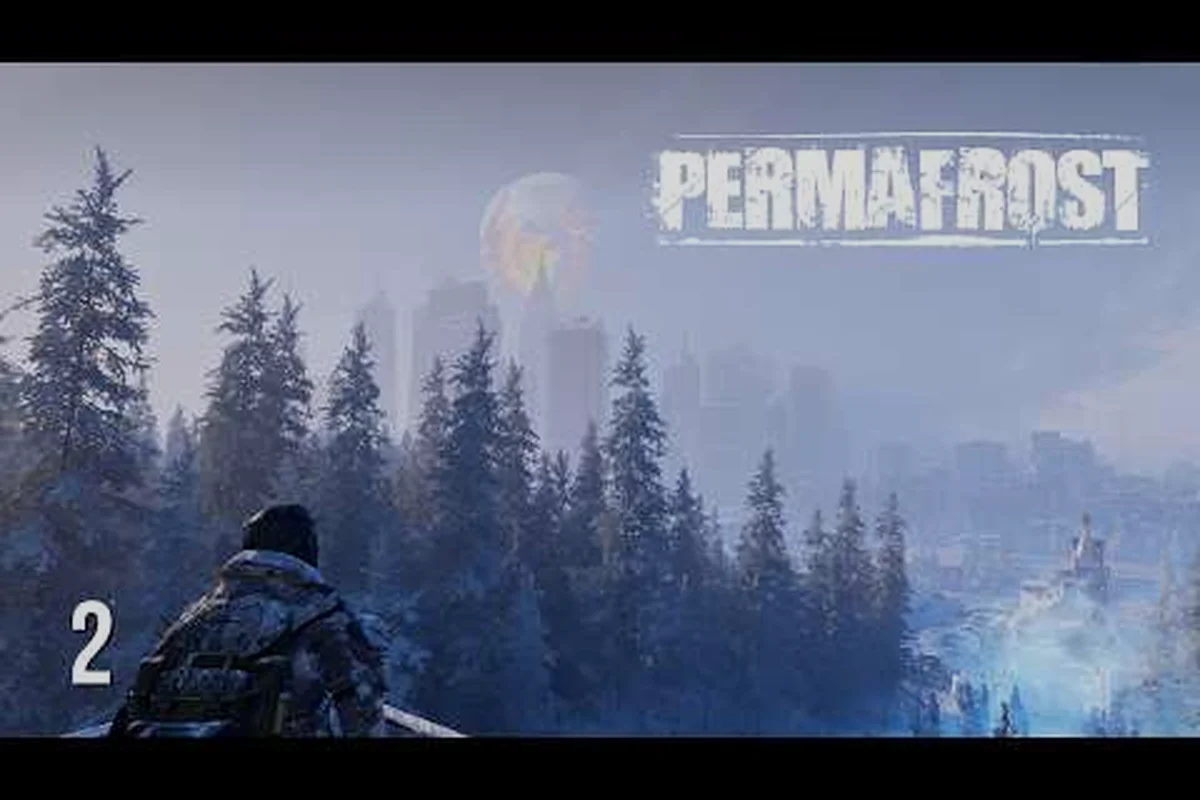
Permafrost Abandoned City: Caves, Buried Forest, and Ruins
Explore the permafrost abandoned city, ruined settlements, and buried forest to uncover cave entrances, underground areas, and hidden points of interest.
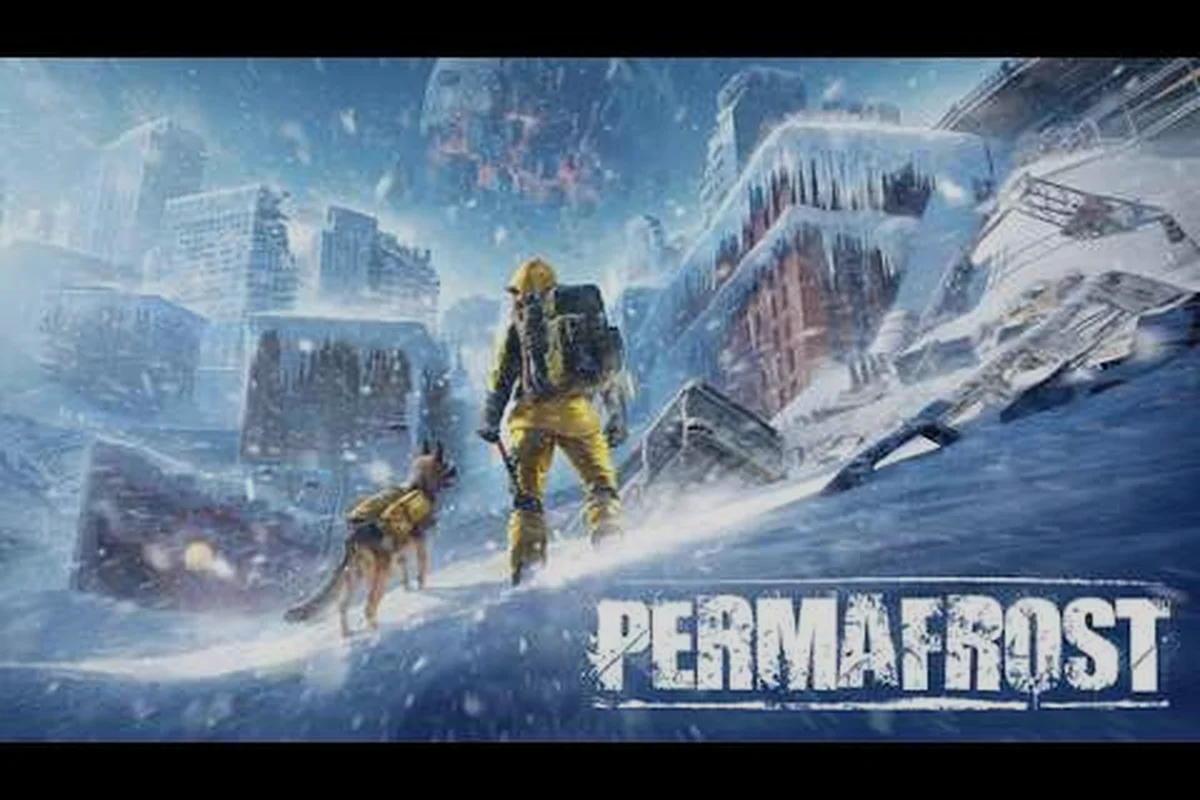
Permafrost All Map Locations: Loot Routes and Farming Spots
Find permafrost all map locations with the best loot routes, farming routes, and wilderness waypoints so you can explore the frozen world without getting lost.
Permafrost Biomes: Navigate Landmarks and Secrets
Master permafrost biomes with landmark navigation, compass bearings, and expedition routes so you never lose your way in the frozen wastes.
All Articles

Permafrost Map Guide: Biomes and Cold Zones
Explore the permafrost map guide to learn every biome, cold zone, and prime looting location so you never wander blind through the frozen open world.
Permafrost Traveling Tips: Radio Towers and Hidden Locations
Follow these permafrost traveling tips to discover lost technology, radio towers, and signal locations that reveal hidden spots and easter eggs across the map.
Permafrost Looting Guide: Rare Loot and Fast Travel Spots
Master the permafrost looting guide to find rare loot, reach the best loot spots, and unlock fast travel so your Rook never wastes a trip through the frozen wastes.
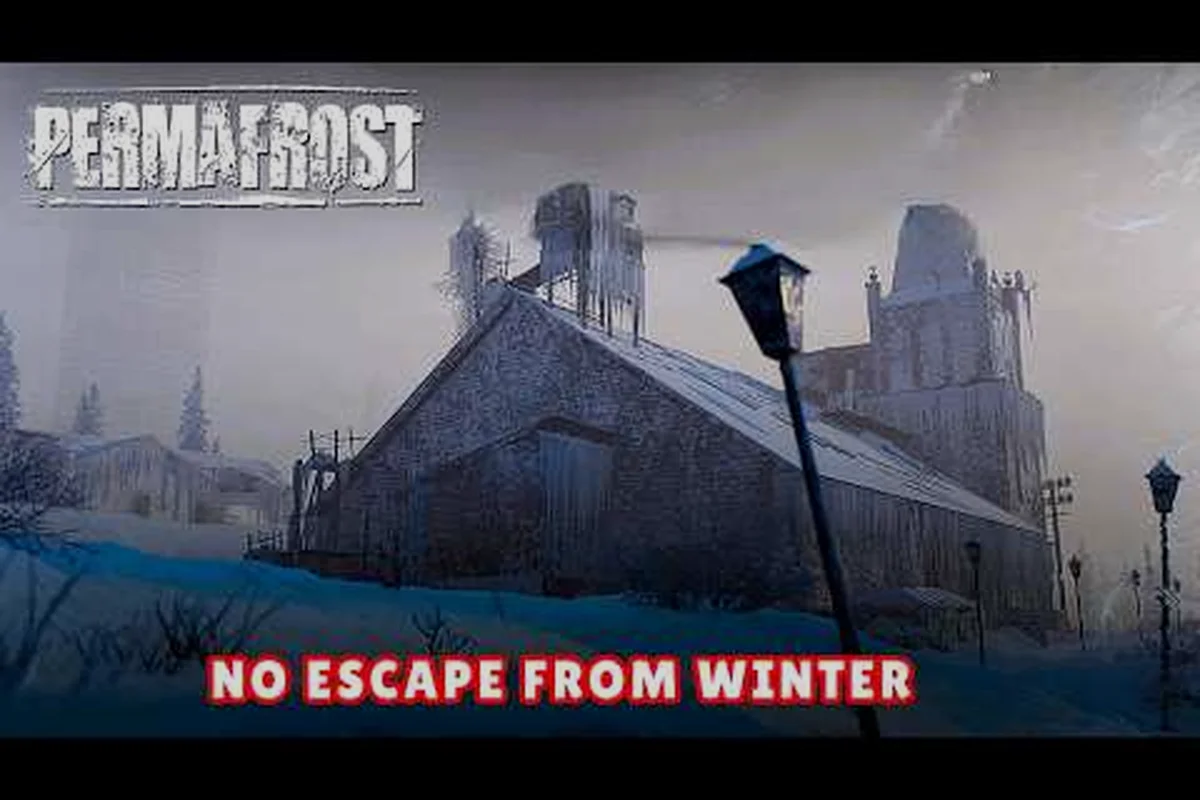
Permafrost Region Guide: Zone Levels and Gear Checks
Use this permafrost region guide to learn zone levels, gear checks, and what to pack before you access high tier cold zones and plan a safe expedition.