
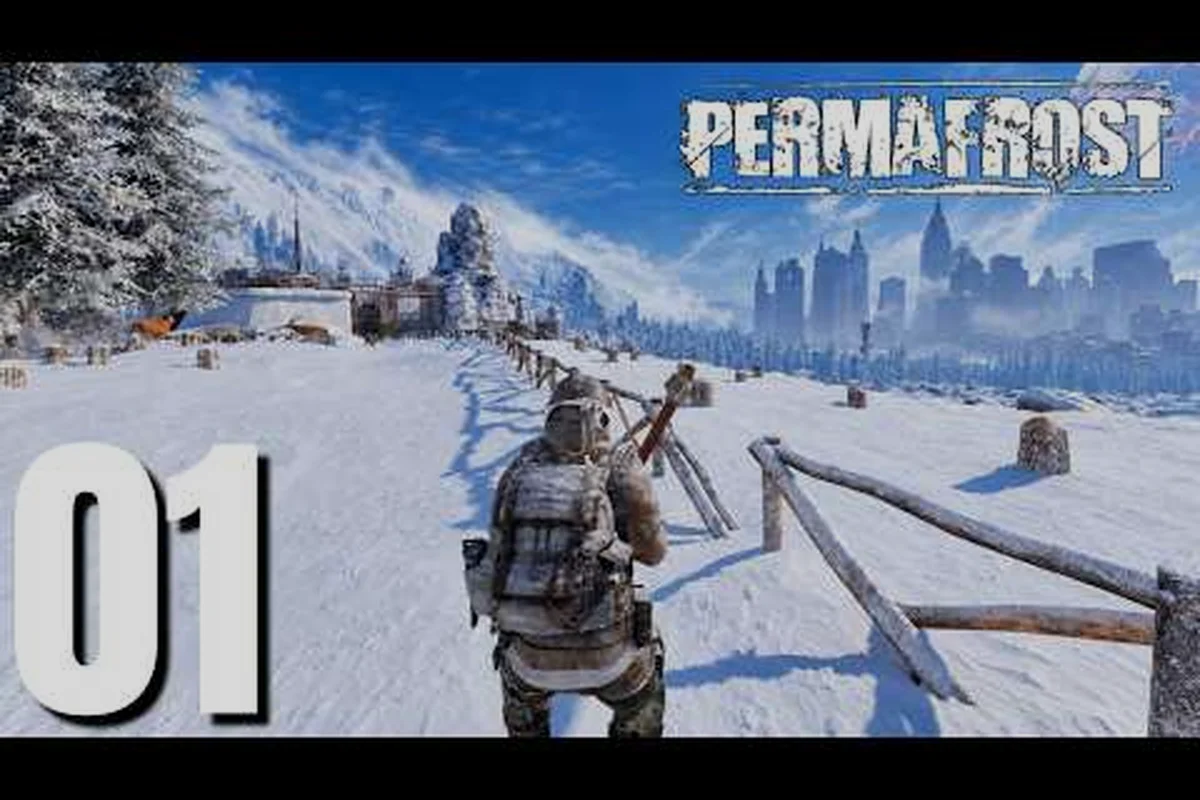
You wake up as a Rook, an engineer with the technical skills to rebuild civilization but almost no wilderness experience, pulled into a frozen world after intercepting a distress call from a friend you thought was gone. This permafrost beginner guide cuts through the confusion of the first ten hours, because the endless winter does not wait for you to figure out how to boil water or stitch a wound. The cold is your deadliest enemy, and every decision you make in the first two days determines whether you become a survivor or another frozen body buried under the snow.
Understanding the Rook's Core Survival Loop
The opening hours of Permafrost revolve around a simple but punishing cycle: scavenge, craft, rest, and repeat. Unlike traditional survival games where you can brute-force your way through early zones, this game treats temperature as a resource that drains constantly, forcing you to plan every excursion away from shelter. According to the official Steam page, you are drawn into this world after a cascade of disasters left an Earth in the near future permanently frozen, and the game wastes no time throwing you into that white hell.
Managing Body Temperature and Exposure
Your core temperature is the single most important stat in the early game, because it dictates how long you can stay outside before frostbite sets in. The game tracks exposure through a visible meter that drops faster during blizzards, at night, or when you are wet. A common mistake new players make is treating the cold as a minor inconvenience, then dying thirty meters from their shelter because they ignored the warning signs.
| Temperature State | Visual Indicator | Effect on Character | Recommended Action |
|---|---|---|---|
| Warm | No warning | Normal stamina regen | Continue current task |
| Chilly | Blue tint on screen edges | Stamina regen reduced 25% | Head toward shelter or light a fire |
| Cold | Heavy blue overlay | Stamina regen halved, hands shake | Immediately seek heat source |
| Freezing | Screen frost, heartbeat audio | Health drains over time | Emergency fire or indoor shelter required |
| Frostbitten | Blackened fingers on model | Permanent health reduction | Cannot be reversed; restart recommended |
The temperature system punishes overconfidence, which is why experienced players recommend treating every trip outside as a timed mission rather than a casual stroll. Your canine companion provides some warmth when you huddle together, but this is a supplement, not a replacement for proper clothing and shelter.
The Canine Companion Advantage
Your dog is not just a cosmetic pet; it is a functional survival partner that can carry small items, warn you about nearby predators, and provide passive warmth when you rest together. Community reports consistently highlight that new players who ignore their companion's warning barks end up ambushed by wolves or worse. The companion also helps you track wounded animals, which makes hunting far more efficient in the early game when every bullet or arrow counts.
First Day Priorities: What to Do Before Nightfall
The first day in Permafrost is a race against the setting sun, because nighttime temperatures drop dramatically and predators become more aggressive. Your permafrost survival guide starts with a clear priority list, because wasting time on non-essential tasks in the first six hours is the fastest way to die. Players who follow a structured first-day plan consistently report surviving three to four times longer than those who wander aimlessly.
Essential First-Day Checklist
-
Find or build shelter: Look for existing structures like abandoned cabins or vehicles, which provide better insulation than anything you can craft on day one.
-
Gather tinder and fuel: Collect at least 20 pieces of burnable material before nightfall, because a fire is your only reliable heat source.
-
Secure a water source: Melt snow in a container near your fire, but never eat snow directly, because it lowers your core temperature.
-
Craft a basic tool: A stone knife or improvised axe lets you process wood and animal carcasses more efficiently.
-
Mark your shelter location: Use the map or a visible landmark, because getting lost in a blizzard is a death sentence.
The first night is often the hardest, because you will likely lack proper bedding and warm clothing. Huddling with your dog near a fire inside a partially ruined structure is usually enough to survive, but do not expect to sleep through the night uninterrupted. Wolves and other scavengers are drawn to the smell of food and the glow of your fire.
Common First-Day Mistakes
| Mistake | Why Players Make It | Consequence | Better Approach |
|---|---|---|---|
| Eating snow directly | Assumes it hydrates like water | Lowers core temperature, accelerates hypothermia | Melt snow in a container near fire |
| Ignoring the dog's barks | Treats companion as cosmetic | Ambushed by predators, lose health or die | Investigate barks, retreat to shelter |
| Overloading inventory | Wants to carry everything found | Slower movement, faster stamina drain | Prioritize tinder, food, medical items |
| Traveling at night | Underestimates temperature drop | Freezing state within minutes | Stay in shelter, craft or rest |
| Skipping tool crafting | Thinks bare hands are sufficient | Cannot process wood or carcasses efficiently | Craft stone knife within first hour |
Crafting and Resource Management Fundamentals
Crafting in Permafrost is deliberately grounded and realistic, which means you cannot magically turn three sticks into a working rifle. The permafrost tips and tricks that separate successful players from corpses all revolve around understanding the crafting tiers and knowing which recipes matter early. According to the Toplitz Productions announcement, the game emphasizes hunting scarce wildlife, setting traps, and scavenging every resource to stay alive, which means your crafting priorities must align with that scarcity.
Crafting Tier Overview
The crafting system is divided into tiers that unlock as you find blueprints, repair workbenches, or restore technology. Early game crafting focuses on survival basics, while mid-game crafting introduces more complex tools and structures. Understanding this progression prevents you from wasting rare materials on items you will outgrow quickly.
| Crafting Tier | Unlock Method | Key Recipes | Resource Requirements |
|---|---|---|---|
| Improvised | Available at start | Stone knife, torch, basic bandage | Stone, cloth, wood |
| Basic | Find or repair workbench | Bow, arrows, simple traps, cooking pot | Wood, fiber, scrap metal |
| Intermediate | Restore powered workbench | Firearm repair, insulated clothing, sled | Scrap metal, electronics, fur |
| Advanced | Complete story milestones | Generator, radio, advanced medical | Rare components, blueprints |
Resource Priority System
Not all resources are created equal in Permafrost, and inventory space is severely limited in the early game. Community testing suggests prioritizing items that serve multiple purposes or are difficult to find later. Cloth is surprisingly valuable because it is used in bandages, insulation, and basic clothing repairs. Scrap metal becomes critical once you start repairing tools and weapons, so hoard it from day one.
The game rewards players who think like engineers, which fits the Rook's background perfectly. Repairing existing structures and technology is often more efficient than crafting from scratch, because the world is littered with the ruins of the previous civilization. A broken radio might only need a few components to function again, while building one from scratch requires rare materials you will not find for hours.
Story Walkthrough: Following the Radio Signal
The narrative hook of Permafrost is the radio signal from your long-lost friend, and following it drives the early story progression. This permafrost story walkthrough focuses on the first major story beats without spoiling the emotional payoff, because the journey matters as much as the destination. The signal leads you through increasingly dangerous territory, which means you need to balance story progression with survival preparation.
Act One: The Signal's Origin
The opening story sequence establishes your character's motivation and teaches the basic controls through contextual objectives. You learn that the signal originates from somewhere deep in the frozen wilderness, and your first goal is to establish a base of operations before venturing toward it. The game does not hold your hand, so you must figure out how to read the signal strength indicator and triangulate the source.
Act Two: Crossing the Frozen Expanse
The second story act sends you across a vast open-world buried in ice, where extreme weather and scarce resources test everything you learned in the opening hours. This is where many players hit a difficulty spike, because the game stops tutorializing and starts punishing. You need proper clothing, a reliable weapon, and enough food to sustain the journey. For a deeper look at the side content available during this stretch, the side quests guide covers optional objectives that reward valuable gear and story context.
Act Three: The First Major Choice
Without spoiling specifics, the third act presents your first significant narrative decision, and the choice affects how certain characters respond to you later. The game does not telegraph which option is "correct," because both paths are valid and lead to different but equally compelling outcomes. Your canine companion reacts to your choices in subtle ways, which adds emotional weight to decisions that might otherwise feel mechanical.
Sustainable Strategies Beyond the First Week
Once you survive the first week, the game opens up significantly, and your priorities shift from immediate survival to long-term sustainability. The permafrost survival guide for mid-game players focuses on building a self-sufficient base, establishing reliable food sources, and preparing for the harsher weather events that occur later in the story. Players who rush through the story without building infrastructure often find themselves underprepared for the challenges ahead.
Building a Sustainable Base
Your first shelter is likely a repurposed ruin, but a sustainable base requires more thought. Look for locations near multiple resource types, with natural wind barriers and access to fresh water. The game rewards base-building that considers the environment, because a poorly placed shelter means longer supply runs and more exposure to the cold.
| Base Location Factor | Why It Matters | Ideal Setup | Common Mistake |
|---|---|---|---|
| Wind exposure | Reduces heat loss | Build against cliff or dense trees | Open plains with no windbreak |
| Water proximity | Reduces travel time | Within 100 meters of frozen lake or river | Miles from any water source |
| Resource density | Efficient gathering | Near forest, scrap piles, wildlife trails | Barren area with nothing nearby |
| Predator activity | Safety during rest | Away from wolf dens and bear territory | Building on top of animal paths |
| Story progression | Reduces backtracking | Central location between story objectives | Extreme edge of map |
Hunting and Food Sustainability
Wildlife is scarce in Permafrost, which means you cannot rely on hunting alone to sustain yourself. Setting traps is more efficient than active hunting, because traps work while you sleep or craft. Community reports suggest that snares placed along animal trails yield consistent results, while active hunting is better reserved for larger game that provides more meat per kill.
The game also features a preservation system that lets you smoke or freeze meat to extend its shelf life. Without preservation, raw meat spoils quickly, and spoiled food causes illness that drains your health and stamina. Learning to preserve food early prevents a lot of suffering later.
Frequently Asked Questions
How do I survive the first night in Permafrost?
Find or build a basic shelter before sunset, gather at least 20 pieces of burnable material, and light a fire inside your shelter. Huddle with your canine companion for passive warmth, and avoid eating snow directly. Stay inside until morning unless absolutely necessary, because nighttime temperatures drop dramatically.
What is the best way to learn how to play Permafrost?
The best approach is to follow the story objectives while experimenting with crafting and survival mechanics in a safe area. The game teaches through contextual objectives rather than explicit tutorials, so pay attention to the signal strength indicator and your character's status effects. Expect to die a few times while learning.
Can I play Permafrost with friends?
Permafrost is primarily a solo experience, but there are multiplayer options available. The multiplayer guide covers how to set up co-op sessions and dedicated servers, which changes the survival dynamic significantly. Solo play remains the intended core experience for the story.
What should I prioritize in the first two hours?
Focus on shelter, fire materials, a basic tool, and a water source. Do not waste time exploring distant locations or hunting large game, because your starting equipment is insufficient. Mark your shelter location and establish a routine of scavenging during daylight and crafting at night.
How does the story mode differ from survival mode?
Story mode follows the radio signal narrative with structured objectives and character interactions, while survival mode removes story constraints and focuses purely on long-term survival. The custom mode guide explains the difficulty settings and how to customize your experience between these two approaches.
The frozen world of Permafrost does not care whether you are ready, and the first week is a brutal teacher that separates the prepared from the frozen. By understanding the temperature system, prioritizing your first-day tasks, and building a sustainable base before pushing deeper into the story, you give yourself the best chance to uncover the mystery behind the radio signal. The Rook may lack wilderness experience, but with careful planning and the companionship of your dog, civilization can rise again from the ice.