
Survival
Survive the endless cold in Permafrost: cold resistance, frostbite, blizzards, food, hunting, sleep and water mechanics explained for every survivor.
Introduction
Cold is the true enemy in Permafrost, and the Survival category is where you learn to fight it. Every expedition starts with the same question: can I keep my body temperature high enough to reach my goal and come back? This category explains the full cold system — cold resistance, frostbite, body temperature, hypothermia — and the weather systems that punish bad planning: blizzards, storms, fog and the freezing night. It also covers the everyday survival systems that keep you alive between adventures: food and water, hunting boars and wolves, traps, sleeping, stamina and energy, and the status effects that can snowball into death if ignored. If you want to stop dying to the cold and start thriving in it, start here.
Cold Systems Quick Reference
| System | How It Works | Key Defense |
|---|---|---|
| Body Temperature | Drains in cold; drops fast at night and in storms | Clothing + fires + shelter |
| Frostbite | Status effect from prolonged cold exposure | Warm shelter, rest, fire |
| Hypothermia | Life-threatening escalation of frostbite | Immediate heat and treatment |
| Blizzard | Cuts visibility and temperature; deadly outside | Wait inside, plan weather windows |
| Hunger / Water | Slow drains that lower stamina and health | Cooked food, clean water |
Survival Systems
Body Temperature
The stat that decides whether an expedition works
Frostbite
The first cold status effect to learn to prevent
Weather Windows
Why timing your travel matters as much as your gear
Food and Water
Keeping hunger and dehydration away from your health bar
Sleep and Rest
The easiest way to survive the coldest hours of the night
Core Mechanics
Survival in Permafrost is a constant resource and temperature game. Your body temperature is the most important number on screen: clothing sets your survivable range, and fire, beds and shelters all add warmth when you are near them. Weather is a clock you must respect — storms and night drop temperatures fast, so good players plan travel around weather windows rather than pushing through blindly. Food, water, energy and stamina drain on their own pace and punish you if ignored: starving drains health, dehydration saps stamina, and exhaustion makes even simple tasks slow. Hunting adds a second layer: boars are manageable targets, wolves are dangerous in groups, and bears should be avoided early. Every survival guide here teaches the practical loops that keep these numbers green.
Advantages
Mastering the survival systems is what separates a Permafrost player who dies in the first blizzard from one who builds a shelter network across the map. The guides here give you the concrete numbers and strategies: which clothing layers matter most, how to read the weather forecast, what to carry on an expedition and how to treat frostbite before it becomes hypothermia. Because the cold affects movement, stamina and health all at once, small knowledge advantages compound quickly — a player who plans a storm window collects more loot, loses less gear and reaches colder zones far earlier. This category condenses that knowledge so you learn from the community's deaths instead of your own.
Challenges
The cold systems in Permafrost are interdependent, which means the exact numbers can shift between patches during Early Access. Clothing tier values, weather frequency and status effect timers are still being empirically mapped by the community, so some advice here is based on launch-era observations. What does not change is the core logic — keep warm, keep fed, respect the weather — but the specific thresholds you need may vary slightly in your save. Also, survival-focused guides sometimes emphasize hardcore habits that are unnecessary on easier custom settings; if you are playing with relaxed survival options, you can safely ignore some of the stricter advice.
Frequently Asked Questions
How do I avoid frostbite?+
What are the best foods to hunt early on?+
How does sleeping work?+
Do I need to worry about water in Permafrost?+
Quick Tips
Treat your body temperature as the most important resource in the game. Check your cold resistance before every trip, dress for the zone you are entering and keep a fire or shelter within reach at all times. Survivors who respect the cold plan their routes around warmth, and that single habit prevents more deaths than any other piece of advice in Permafrost.
Never let frostbite or hypothermia run while you keep exploring. The moment a cold status effect appears, stop what you are doing, find heat and rest until it clears. Ignoring the early stages makes them escalate quickly, turning a fixable mistake into a full health crisis in the middle of a dangerous zone.
Eat cooked food and drink clean water, not just whatever you can grab. Raw meat wastes nutrition and resources, and dehydration drains the stamina you need for every other task. Set up a cooking station early, boil water at camp and always carry enough supplies for the round trip on any expedition.
Featured
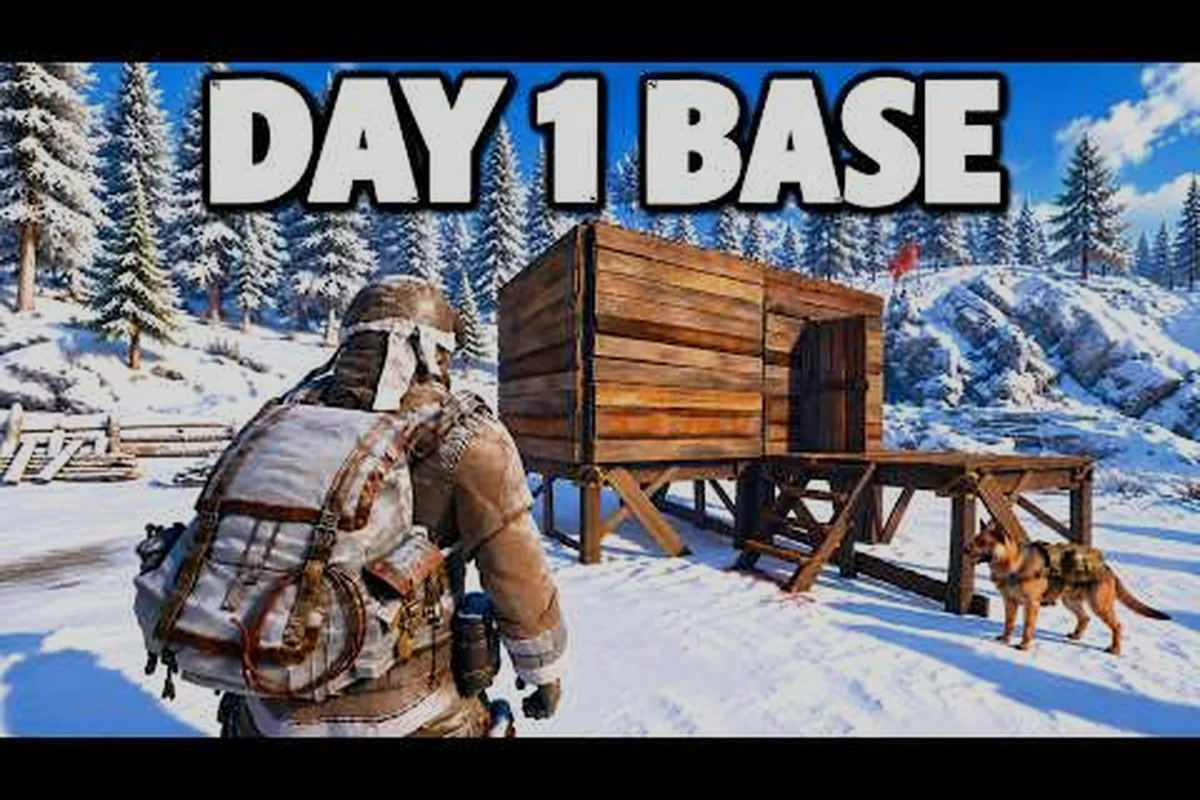
Permafrost Cold Survival: Beat Blizzards and Frostbite
Master permafrost cold survival with practical strategies for staying warm, building cold resistance, and riding out deadly blizzards before frostbite ends your run.
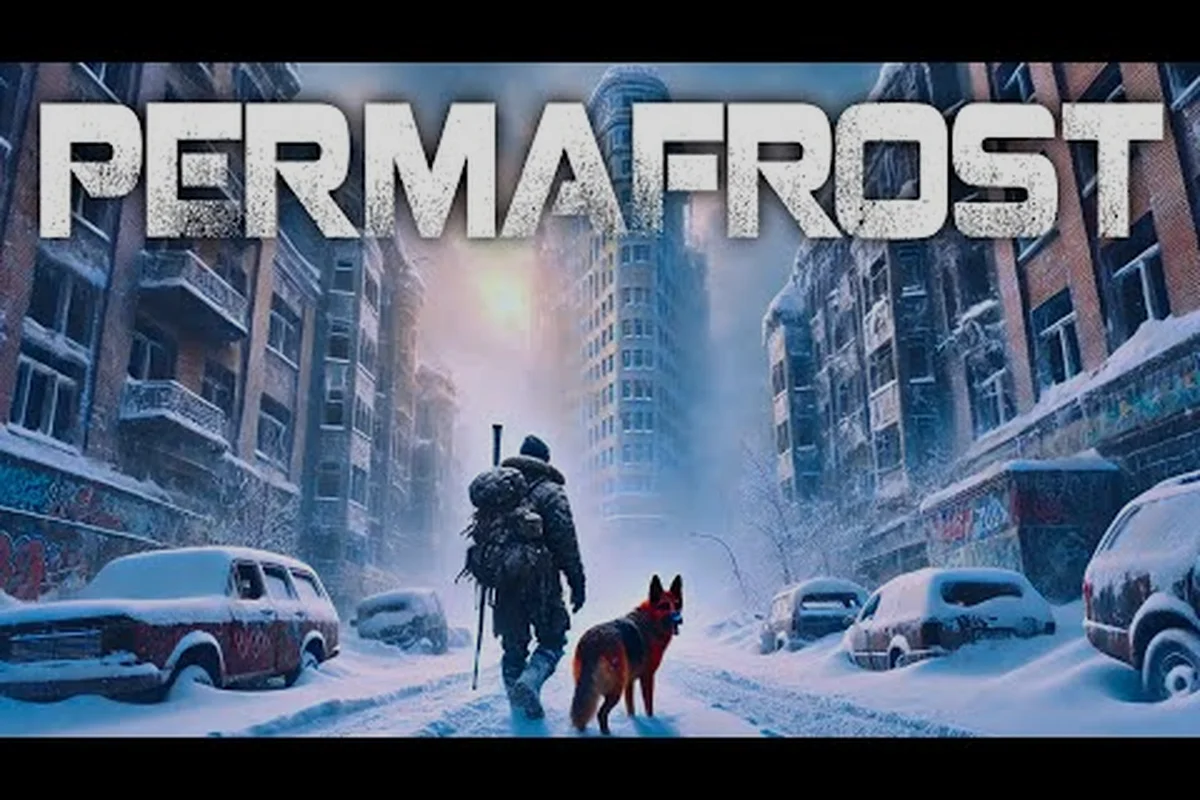
Permafrost How to Make Fire and Melt Water Safely
Learn permafrost how to make fire, melt water, and use medical items so you can manage status effects and cook the best food to stay alive in the frozen wastes.
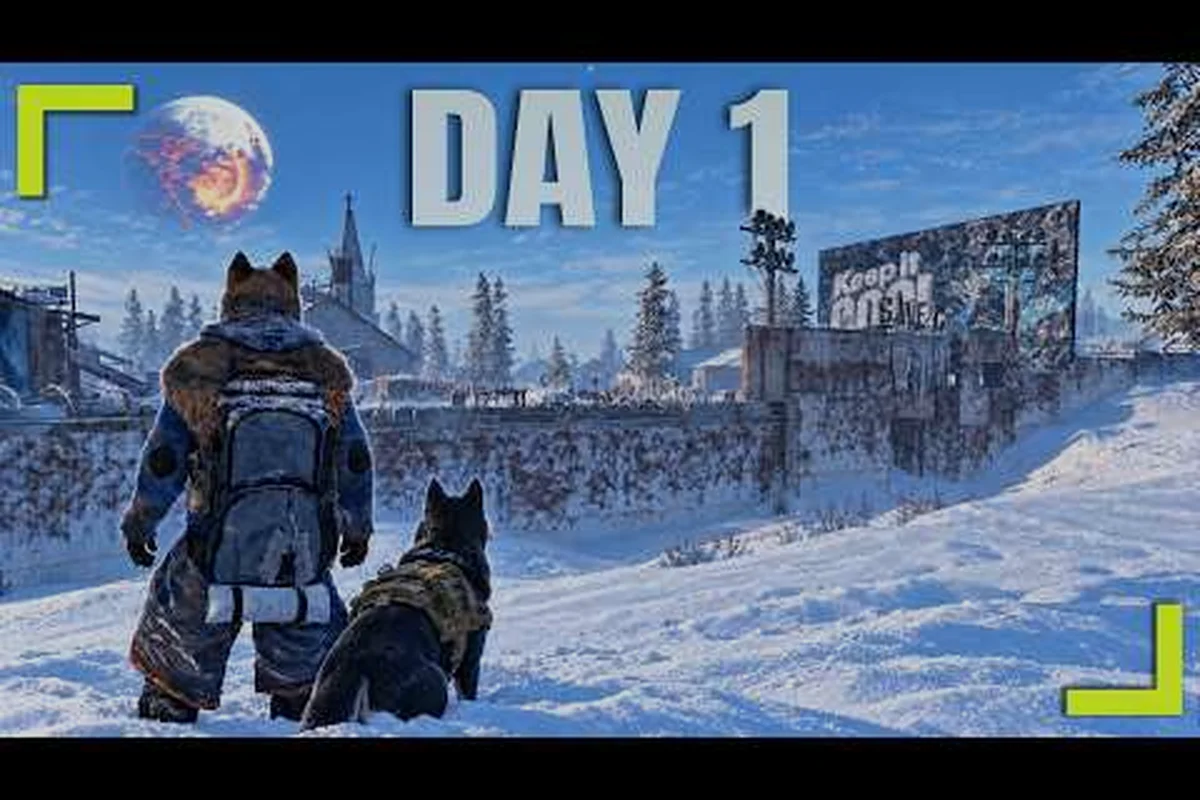
Permafrost Stamina Guide: Recover Energy and Heal
Use this permafrost stamina guide to manage energy, recover health, and sleep smart so your Rook can keep working through the endless winter without collapsing.
All Articles
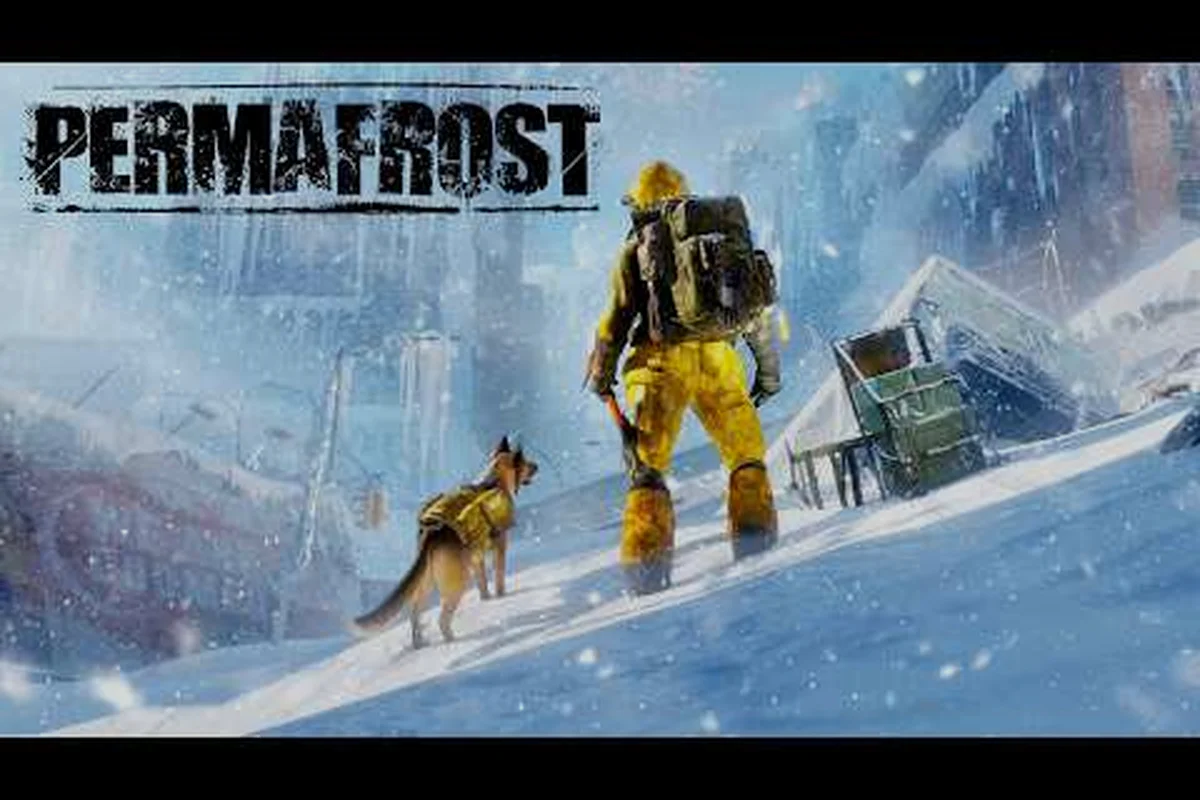
Permafrost Best Early Game Food and Hunting Bow Tips
Find the permafrost best early game food, craft a hunting bow, and learn wildlife locations plus scavenging routes so your first days don't starve you.
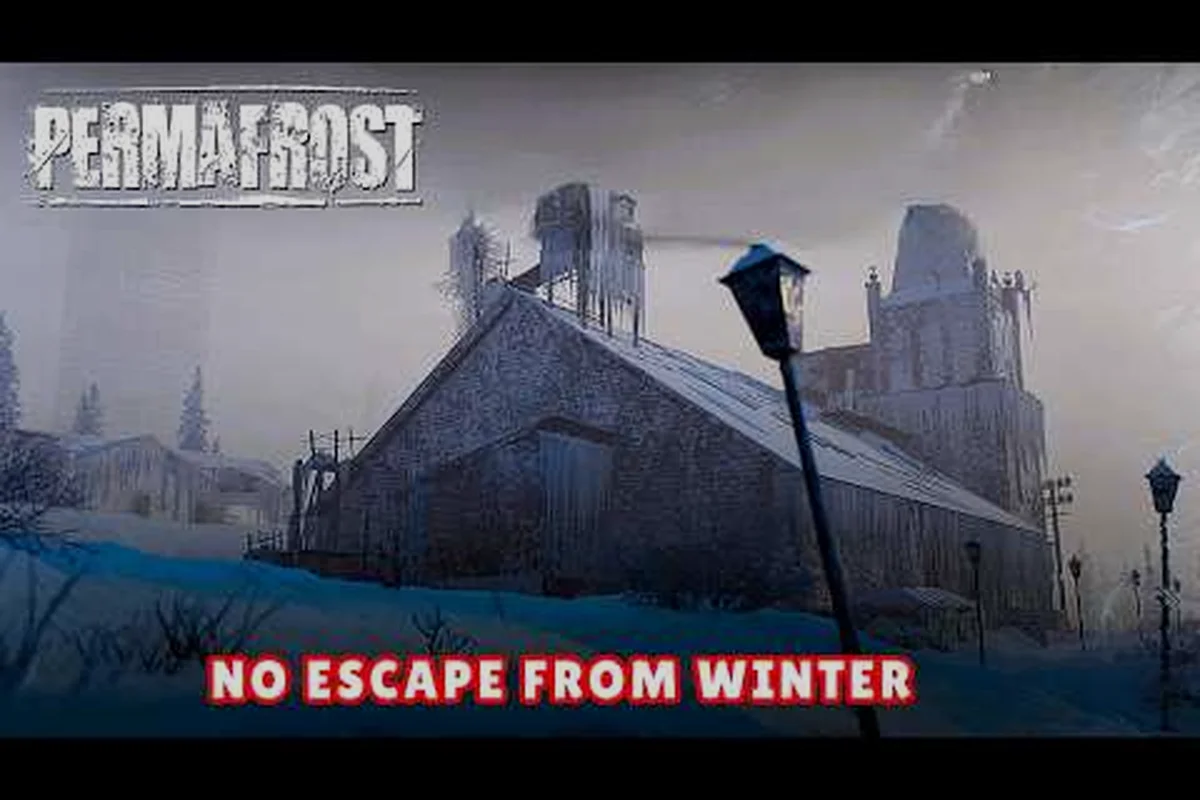
Permafrost Body Temperature: Manage Warmth and Hunger
Learn permafrost body temperature management so you never die of cold, with cooking and hunting tactics that keep your Rook fed through the endless winter.
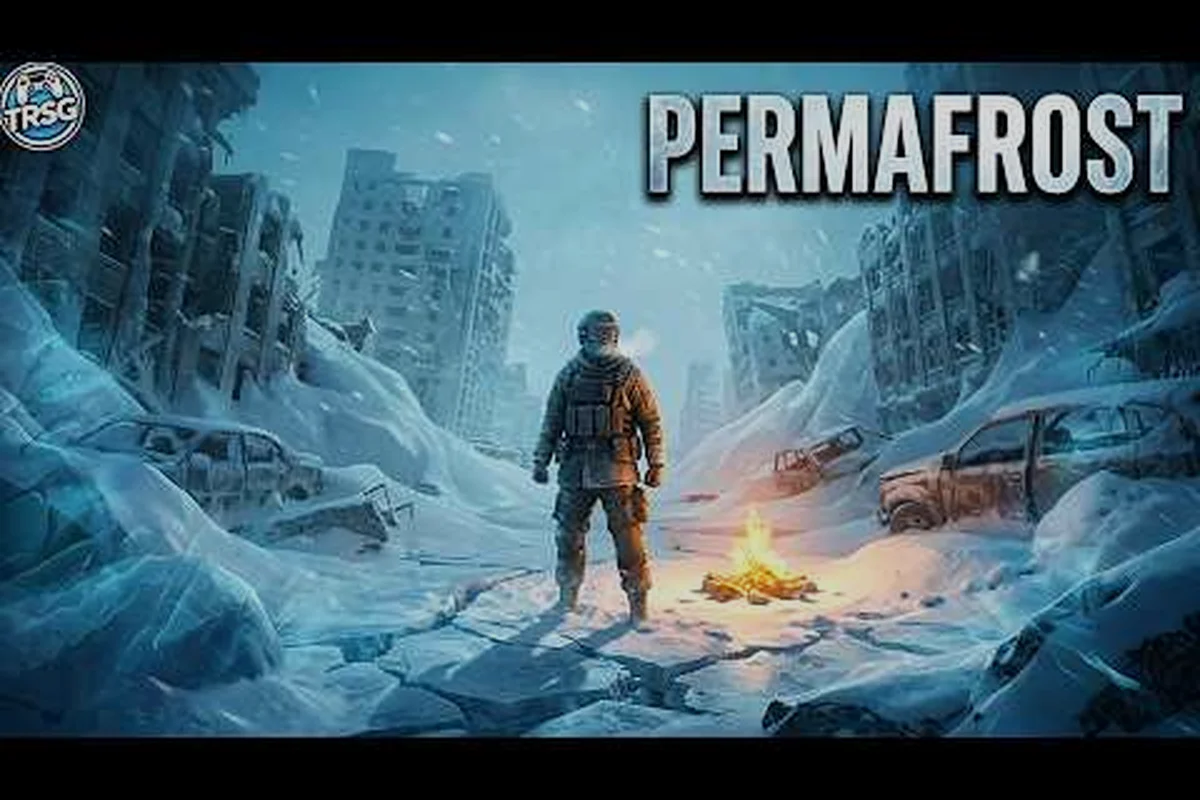
Permafrost How to Hunt: Boars, Wolves, and Bears
Master permafrost how to hunt with traps, animal behavior tips, and locations for boars, wolves, and bears so you always have food and pelts in the frozen wilds.
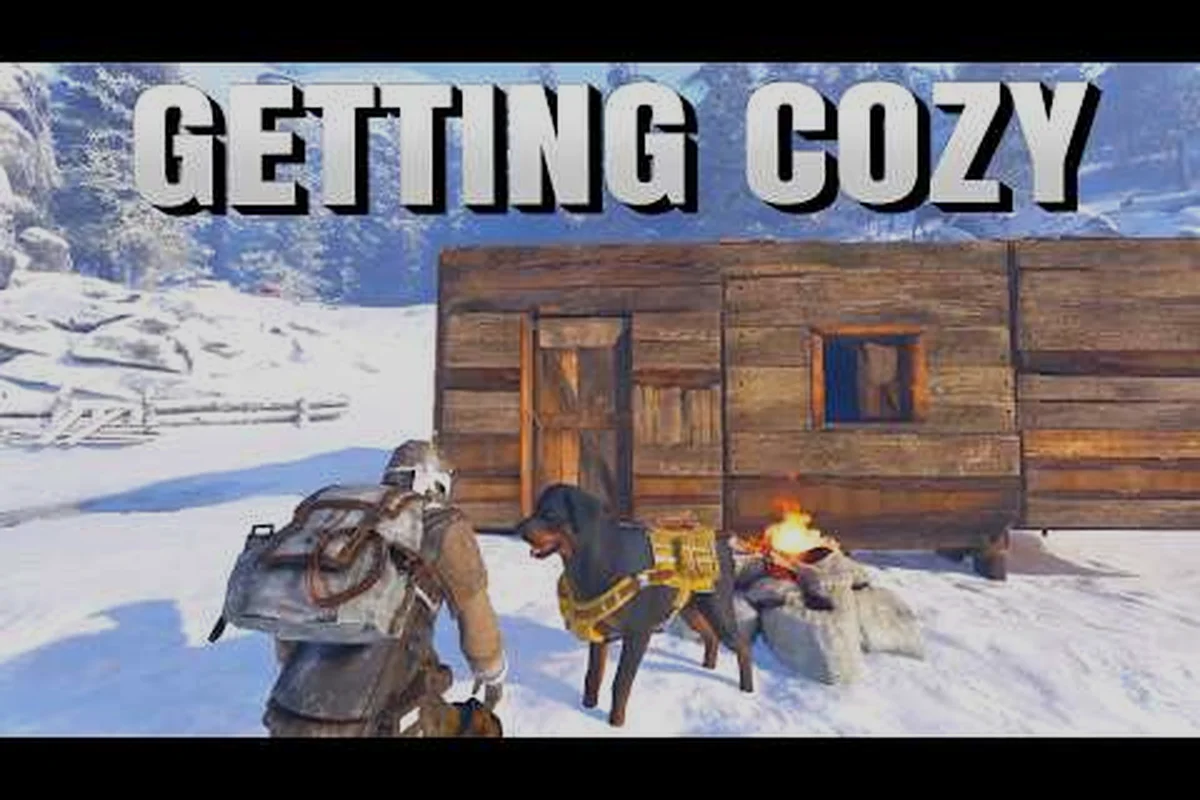
Permafrost Survival Stats Guide: Frostbite and Bleeding
Master the permafrost survival stats guide to see how frostbite, hypothermia, dehydration, and bleeding stack up so you know which winter mechanic kills fastest.