
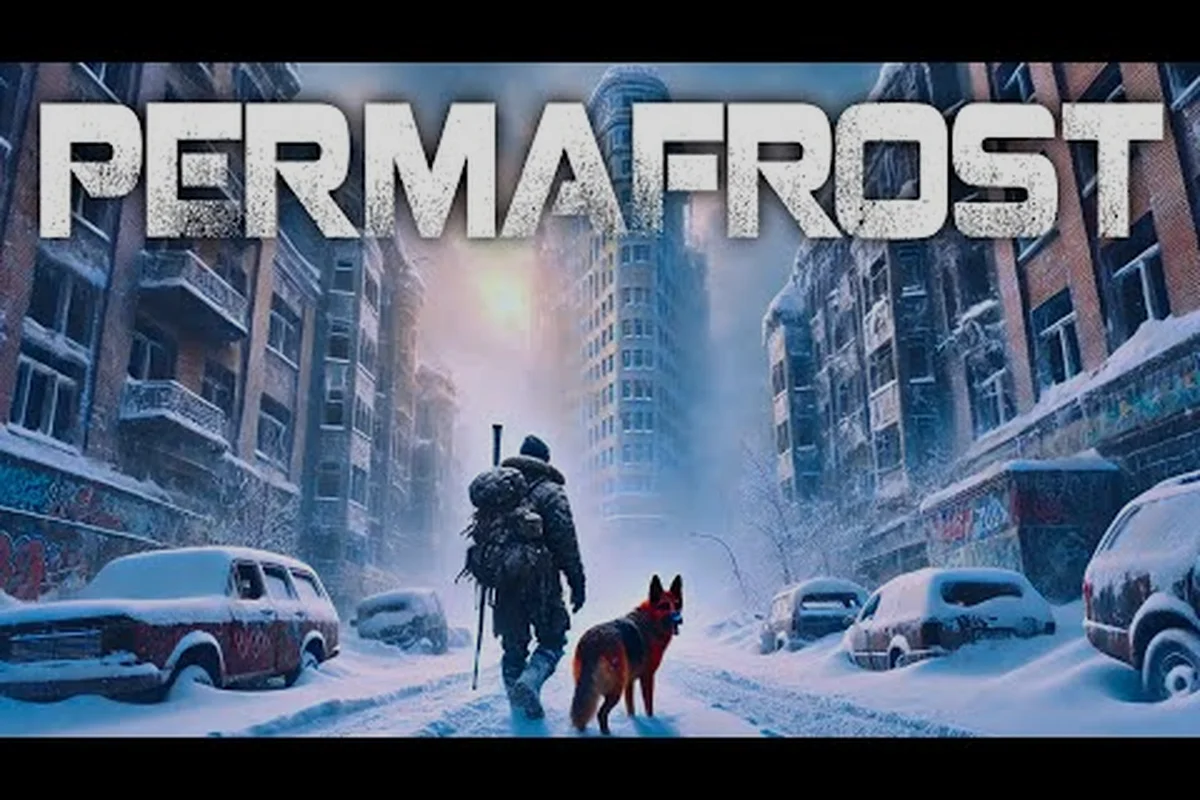
Fire is the single most important survival tool in Permafrost because it converts frozen snow into drinkable water, cooks raw meat into safe meals, and resets the Hypothermia status effect that kills most new players within their first hour. Without a reliable fire loop, every other survival system collapses, which is why mastering the basics of permafrost how to make fire should be your first priority after the tutorial ends. This guide breaks down the exact crafting chain, fuel economy, and water purification steps that keep you alive through the endless winter.
Understanding the Fire Crafting Chain
Before you can light a flame, you need to understand the three-stage crafting chain that Permafrost uses for all survival tools. The game does not hand you a lighter or matches at the start, so you must assemble a Firestarter Kit from raw materials scattered across the frozen landscape. According to the official Permafrost on Steam page, the cold is your true enemy, and preparation determines whether you survive your first storm or freeze to death in a snowbank.
The basic chain works like this: gather Tinder from dry grass or cloth scraps, combine it with Kindling from small sticks or bark, then use a Striker to ignite the pile. Each component has a durability value, and higher-tier materials burn longer while producing more heat. Community testing shows that a basic fire lasts roughly 90 seconds, while a Hardwood Fire with processed fuel can burn for over four minutes.
| Component | Source | Burn Time | Heat Output | Unlock Requirement |
|---|---|---|---|---|
| Tinder | Dry grass, cloth scraps | 15 seconds | Low | None (starter) |
| Kindling | Small sticks, bark | 45 seconds | Medium | None (starter) |
| Firewood | Fallen branches, logs | 120 seconds | High | Stone Axe |
| Hardwood | Processed planks, furniture | 240 seconds | Very High | Saw tool |
The crafting menu shows a Fire Starting skill that improves with each successful ignition. Early failures are common because the game simulates wind exposure and moisture levels, so you should always build fires inside shelters or behind rock formations. Players report that the Windbreak bonus from standing near a wall reduces ignition failure chance by roughly 30 percent.
Gathering Fuel and Managing Fire Resources
Fuel management separates experienced survivors from players who freeze to death with a full inventory of useless items. The frozen world of Permafrost offers abundant fuel sources, but they are spread across different biomes and require specific tools to harvest efficiently. You cannot simply punch trees like in other survival games, which means your first tool upgrade should be a Stone Axe for processing fallen branches into usable firewood.
The most efficient early-game fuel loop involves collecting Dry Brush from the edges of frozen lakes, where wind exposure has stripped moisture from dead vegetation. These areas respawn resources slowly, so you should mark them on your map during exploration. For a deeper breakdown of resource locations and respawn timers, the materials guide covers every harvestable node in the game.
| Fuel Type | Weight | Burn Value | Best Use Case | Respawn Time |
|---|---|---|---|---|
| Dry Brush | 0.5 kg | 20 units | Emergency heat | 15 minutes |
| Pine Branches | 1.2 kg | 45 units | Cooking fires | 30 minutes |
| Firewood Log | 3.0 kg | 100 units | Long crafting sessions | 60 minutes |
| Coal Chunk | 2.5 kg | 180 units | Water purification | Rare spawn |
Carrying too much fuel slows your movement speed and increases stamina drain, which becomes dangerous when a Blizzard warning appears on your HUD. Experienced players recommend carrying no more than 15 kg of fuel during exploration, then making dedicated supply runs when you need to stockpile for a long crafting session. The Sled attachment for your dog companion can dramatically increase your hauling capacity if you have unlocked that feature.
Melting Snow and Purifying Water Safely
Water management is the second pillar of survival, and permafrost how to get water is a question every new player asks within their first hour. The answer seems simple at first: collect snow, melt it over a fire, and drink the result. However, the game adds a Contamination mechanic that punishes players who skip purification steps, leading to the Dysentery status effect that drains your health and stamina.
The complete water loop requires four distinct steps. First, collect Clean Snow from areas away from animal carcasses and industrial ruins, because contaminated snow produces Dirty Water that requires additional treatment. Second, place the snow in a Cooking Pot or Metal Container near your fire. Third, wait for the melting process to complete, which takes approximately 30 seconds per liter. Fourth, boil the melted water for an additional 20 seconds to kill pathogens.
| Water Source | Collection Method | Purification Required | Yield | Risk Level |
|---|---|---|---|---|
| Clean Snow | Scoop from open fields | Boiling only | 1 L per 2 scoops | Low |
| Ice Block | Mine from frozen lakes | Boiling + filtering | 2 L per block | Medium |
| River Water | Collect from flowing streams | Boiling + Charcoal Filter | 1.5 L per container | High |
| Dirty Snow | Scoop near ruins or carcasses | Boiling + Purification Tablet | 1 L per 3 scoops | Very High |
The Charcoal Filter is a reusable item crafted from burnt wood and cloth, and it removes the Heavy Metal contamination found in industrial zones. You can craft a Purification Tablet from medical supplies, but these are rare and should be saved for emergencies when you cannot build a fire. Community reports indicate that drinking untreated water has a 40 percent chance of inflicting Dysentery, which requires medical items to cure.
Managing Status Effects and Medical Items
Permafrost tracks multiple status effects that interact with each other in dangerous ways. The most common early-game killer is Hypothermia, which sets in when your body temperature drops below a critical threshold. Fire is the primary treatment, but you also need to understand how Frostbite, Dehydration, and Starvation compound your problems. The body temperature guide explains the full heat management system in detail.
Medical items in Permafrost are scarce, which means prevention is always better than treatment. The Medical Kit item restores a large amount of health and removes one random negative status effect, but it weighs 2 kg and costs rare materials to craft. Bandages stop bleeding from animal attacks, while Painkillers temporarily suppress the movement penalty from injuries.
| Medical Item | Effect | Crafting Materials | Weight | Rarity |
|---|---|---|---|---|
| Bandage | Stops bleeding, +10 HP | Cloth x2, Antiseptic | 0.3 kg | Common |
| Painkiller | Removes pain debuff, +5 HP | Herbal Extract, cloth | 0.2 kg | Uncommon |
| Medical Kit | +50 HP, removes one status effect | Bandage, Antiseptic, Suture Kit | 2.0 kg | Rare |
| Purification Tablet | Cleans water, removes contamination | Charcoal, Iodine | 0.1 kg | Rare |
The Antiseptic item is particularly valuable because it prevents infection from animal bites, which can otherwise lead to a slow death even after you win a fight. Players report that wolf attacks have a 25 percent chance to inflict Infection, and untreated infections drain 2 HP per minute until you apply Antiseptic or craft a Medical Kit. Always carry at least two Bandages and one Antiseptic when exploring beyond your shelter.
Cooking the Best Food for Long-Term Survival
Food is the fuel that keeps your body temperature stable, and permafrost best food choices depend on your current situation. Raw meat provides calories but carries a high risk of Food Poisoning, which is why cooking is mandatory for long-term survival. The Cooking Pot unlocks multiple recipe options that provide better nutrition and additional buffs compared to simple roasted meat.
Your first reliable food source is Roasted Rabbit, which requires one Rabbit Carcass and a fire with at least Firewood tier fuel. The cooking process takes 45 seconds, and the resulting meal restores 35 hunger points while providing a small warmth bonus. As you progress, Stew recipes combine meat with vegetables and water to create meals that restore both hunger and thirst simultaneously.
| Food Item | Ingredients | Hunger Restored | Thirst Restored | Special Effect |
|---|---|---|---|---|
| Roasted Rabbit | Rabbit carcass | 35 | 0 | +5 warmth for 2 min |
| Meat Stew | Any meat, water, Wild Onion | 60 | 40 | +10 warmth for 5 min |
| Fish Fillet | Raw fish | 45 | 0 | +8 stamina regen |
| Herbal Tea | Herbal Extract, water | 5 | 50 | Removes mild cold debuff |
| Pemmican | Dried meat, fat, berries | 80 | 0 | No spoilage, long shelf life |
Pemmican is the best food for long expeditions because it never spoils and provides the highest hunger restoration per weight unit. The crafting process requires a Drying Rack and takes several in-game hours, but the result is worth the investment. Players who focus on hunting can produce enough Pemmican to survive multi-day journeys without needing to stop and cook, which is essential for reaching distant map markers.
Building a Sustainable Fire and Water Routine
Survival in Permafrost is not about individual actions but about building a repeatable routine that keeps your vital stats stable. The most successful players establish a Base Camp near a water source and a fuel-rich area, then follow a daily cycle of gathering, cooking, and crafting. This routine becomes second nature after a few hours of play, but the early game punishes players who skip steps.
Your morning routine should start with checking your Body Temperature and Hunger meters, then lighting a fire if either is critically low. Boil enough water to fill your Water Bottle and a spare container, because dehydration accelerates the onset of Hypothermia. Cook enough food for the day's journey, and always carry at least one emergency Tinder and Kindling stack in case you get caught in a storm.
| Time of Day | Priority Action | Secondary Action | Emergency Backup |
|---|---|---|---|
| Morning | Light fire, boil water | Cook breakfast | Check Medical Kit |
| Midday | Explore, gather fuel | Hunt for meat | Mark resource nodes |
| Evening | Return to shelter | Cook dinner, purify water | Craft Bandages |
| Night | Sleep or craft | Maintain fire | Monitor Blizzard warnings |
The Sleep mechanic restores your stamina and health but drops your body temperature, which means you should always sleep near a lit fire or under insulated bedding. Players report that sleeping without heat during a Blizzard can drop your temperature by 30 percent, which is often fatal if you wake up with Hypothermia already active. The tools guide covers the crafting stations you need to build a proper shelter with insulation.
Frequently Asked Questions
How do I start a fire in Permafrost without matches?
You need to craft a Firestarter Kit from Tinder, Kindling, and a Striker. Gather dry grass for tinder, small sticks for kindling, and find a Striker in abandoned buildings or craft one from Flint and Steel Scrap. Open the crafting menu, select the Fire Starting option, and place the kit near your fuel pile.
What is the fastest way to get clean water in Permafrost?
Collect Clean Snow from open fields away from ruins and animal carcasses, then melt it in a Cooking Pot over a fire. Boil the melted water for 20 seconds to remove contamination. This method produces safe drinking water in under one minute and requires no rare materials.
Which medical items should I always carry in Permafrost?
Always carry at least two Bandages, one Antiseptic, and one Painkiller. Bandages stop bleeding from animal attacks, Antiseptic prevents infection from bites, and Painkillers remove the movement penalty from injuries. A Medical Kit is ideal for long expeditions but weighs 2 kg.
What is the best food to cook in Permafrost for long trips?
Pemmican is the best food for long expeditions because it never spoils, provides 80 hunger points, and weighs less than most cooked meals. Craft it from dried meat, fat, and berries using a Drying Rack. For shorter trips, Meat Stew provides both hunger and thirst restoration in one meal.
Can I drink melted snow without boiling it in Permafrost?
No, drinking unboiled melted snow has a high chance of inflicting Dysentery, which drains your health and stamina. Always boil melted snow for at least 20 seconds before drinking. If you cannot build a fire, use a Purification Tablet to clean the water instead.