
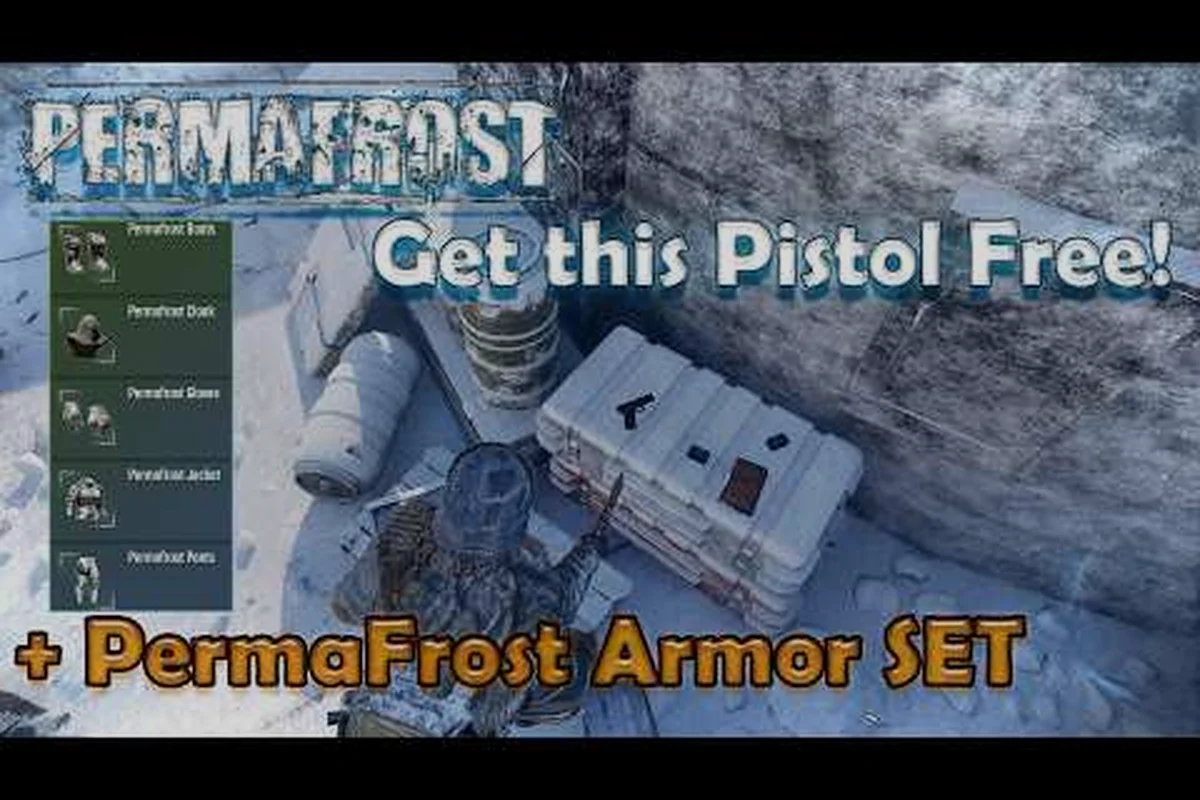
Finding the permafrost best gear is not about chasing a single legendary drop. It is about understanding how item tiers, equipment slots, and inventory space interact to keep you alive in a world where the cold itself is the deadliest enemy. This guide breaks down the full permafrost item list, explains rare item tiers, and shows you exactly which equipment slots deserve your best materials first.
How Permafrost Item Tiers Shape Your Survival Loadout
The permafrost item tiers follow a progression logic that rewards exploration and crafting equally. Early game items are functional but fragile, while late-game rare items offer dramatic resistance bonuses that change how you approach cold zones. According to community testing, the gap between a common improvised tool and a rare engineered equivalent is often the difference between a successful expedition and a frozen retreat.
Common and Uncommon Tiers: The Foundation
Common items dominate the first few hours of any run. These are the improvised tools, basic clothing layers, and scavenged containers you find in abandoned structures. Uncommon items add one or two stat points but rarely change your playstyle. Players report that Common Tier gear is worth repairing only if you have spare materials, because durability loss accelerates quickly in extreme weather.
The real value of common gear is learning which equipment slots matter most. A Common Insulated Glove might seem weak, but gloves protect your hands during tool use, and frostbite on hands reduces crafting speed significantly. Understanding this slot priority early prevents wasted resources later.
| Tier | Typical Source | Durability | Cold Resistance | Repair Cost |
|---|---|---|---|---|
| Common | Scavenged, basic crafting | Low | Minimal | Low |
| Uncommon | Crafted upgrades, rare loot | Moderate | Small bonus | Moderate |
| Rare | Deep cold zones, blueprint crafting | High | Significant | High |
| Epic | Story progression, hidden caches | Very High | Major bonus | Very High |
Rare and Epic Tiers: When Gear Changes Everything
Rare items in Permafrost are not just stat upgrades. They often unlock new traversal options or reduce stamina drain in specific biomes. The permafrost rare items list includes heated underlayers, reinforced tool heads, and modular backpack frames that expand inventory space without sacrificing mobility.
Community reports indicate that Epic Tier gear frequently appears behind environmental puzzles or in areas that require a specific tool to access. This creates a satisfying loop: you craft a rare tool, use it to reach a hidden cache, and find an epic item that opens another route. The permafrost map guide details which cold zones hold the highest concentration of these hidden caches.
Permafrost Equipment Slots: What to Prioritize First
The permafrost equipment slots system is deceptively simple. You have head, torso, legs, hands, feet, back, and two accessory slots. Each slot contributes to a different survival metric, and understanding these contributions is the fastest way to optimize your permafrost best gear setup without wasting rare materials.
Head and Torso: Your Core Temperature Anchors
Your head and torso slots provide the largest cold resistance values in the game. A Rare Insulated Parka can add more cold resistance than all four limb slots combined. This means early crafting priorities should focus on torso upgrades before anything else, because a warm core extends your safe exploration window in every biome.
The head slot is equally important for a different reason. Headgear with a face covering reduces wind chill penalties during blizzards, which are otherwise brutal stamina drains. Players who ignore head protection often find themselves forced to shelter every few minutes, which kills expedition efficiency.
| Equipment Slot | Primary Stat | Secondary Benefit | Priority Level |
|---|---|---|---|
| Torso | Cold Resistance | Inventory space (pockets) | Highest |
| Head | Wind Chill Reduction | Visibility in storms | High |
| Hands | Tool Efficiency | Frostbite protection | High |
| Legs | Mobility | Cold Resistance | Medium |
| Feet | Traction | Stamina drain reduction | Medium |
| Back | Inventory Space | Carry weight | Medium |
| Accessory 1 | Situational | Varies by item | Situational |
| Accessory 2 | Situational | Varies by item | Situational |
Hands, Legs, and Feet: The Mobility Trifecta
Hand protection is often undervalued by new players. Insulated Gloves directly affect tool swing speed and crafting precision, which means cold hands slow down every interaction in the game. Legs and feet are more about mobility, with Traction Cleats reducing stamina drain on ice and Insulated Leggings preventing the movement penalty that comes with deep snow.
The interaction between these three slots creates a meaningful choice. Do you wear heavy cold-resistant legs that slow you down, or lighter mobility-focused gear that forces you to manage temperature more carefully? There is no single correct answer, which is why the permafrost best gear conversation among players focuses on playstyle rather than a universal tier list.
Permafrost Inventory Space: Carrying More Without Dying
Inventory space in Permafrost is a survival resource, not just a convenience. Every item you carry adds weight, and weight directly impacts stamina drain and movement speed. The permafrost inventory space system forces you to make hard choices about what to bring back from an expedition, and understanding weight-to-value ratios is essential for efficient looting.
Backpacks and Modular Storage
Your back slot determines base inventory space, but Modular Backpack Frames can add specialized pouches for specific item types. A Tool Pouch reduces the weight of carried tools, while a Material Satchel does the same for raw resources. These specialized containers are often more valuable than a flat inventory space increase because they let you carry more of what you actually need.
Community testing shows that players who optimize their backpack loadout for a specific expedition type return with 30-40% more usable loot than those who just grab the biggest backpack available. The permafrost looting guide explains how to match your inventory setup to different loot runs.
| Storage Item | Inventory Bonus | Weight Penalty | Best Use Case |
|---|---|---|---|
| Basic Satchel | +5 slots | Low | Early game scavenging |
| Reinforced Backpack | +12 slots | Moderate | General exploration |
| Modular Frame | +8 slots + 2 pouches | Moderate | Specialized expeditions |
| Expedition Pack | +20 slots | High | Long-range resource runs |
| Tool Pouch | Tool weight -30% | None | Crafting material runs |
| Material Satchel | Resource weight -25% | None | Building supply runs |
Weight Management and the Value of Leaving Things Behind
The hardest lesson in Permafrost is learning what not to pick up. Low-value scrap clutters your inventory and forces you to drop useful items later. Experienced players recommend establishing a minimum value-per-weight threshold before every expedition, then sticking to it even when a shiny rare item appears.
This discipline extends to gear choices. Carrying a backup weapon might feel safe, but if that weapon's weight pushes you into the heavy encumbrance bracket, you are actually less safe than if you had left it behind. The permafrost best gear philosophy is about carrying the right tools, not the most tools.
Crafting and Repairing: Extending Your Best Gear's Lifespan
Finding rare gear is only half the battle. Keeping it functional requires a steady supply of repair materials, and the best items in the game often have the most demanding repair requirements. Understanding this loop is essential for long-term survival.
Repair Priorities and Material Efficiency
Not all gear deserves equal repair attention. High-tier torso armor is almost always worth repairing because the cold resistance it provides is difficult to replace. Low-tier gloves, on the other hand, are often cheaper to replace than repair. The permafrost tool repair guide breaks down the exact material costs for every gear category.
Players who track their repair expenses report that preventive maintenance is far cheaper than emergency repairs. Repairing gear at 60% durability costs less material than repairing at 20%, and the difference compounds over a long expedition. This is especially true for rare items, which use scarce materials that are painful to waste.
Blueprint Crafting vs. Looted Gear
Some of the best items in Permafrost can only be obtained through blueprint crafting, while others are exclusively loot drops. Blueprint-crafted gear tends to have more predictable stats and can be reproduced if lost, while looted rare items often have unique modifiers that cannot be crafted.
The permafrost handmade items guide covers the crafting side in detail, including which blueprints are worth pursuing early. For most players, a hybrid approach works best: craft reliable baseline gear, then supplement with looted rare items that fill specific gaps in your loadout.
Assembling a Complete Loadout Around Synergies
A complete loadout is more than the sum of its parts. The best gear combinations create synergies that multiply your survival capabilities, and understanding these synergies is what separates experienced survivors from struggling rookies. For example, pairing a high-insulation chest piece with a lightweight mobility helmet lets you cross exposed tundra sectors without burning through heat packs, while keeping your stamina drain low enough to outrun roaming stalker patrols. Conversely, stacking raw armor values across all equipment slots may look impressive on paper, but it often leaves you with insufficient inventory space for essential consumables like flare shells and emergency rations. The key is to treat each gear tier not as an isolated upgrade, but as a piece of a larger survival equation where weight, insulation, and utility all compete for the same limited permafrost item list budget.
Synergy Examples That Actually Work
The Heated Underlayer paired with a Windproof Shell creates a temperature management system that lets you ignore most weather penalties. The Traction Cleats combined with Lightweight Leggings give you mobility that makes predator encounters far less dangerous. These combinations are not obvious from individual item descriptions, which is why community knowledge is so valuable.
According to the official Permafrost Steam page, the game features hundreds of items with crafting recipes and building blueprints, which means the number of viable loadout combinations is enormous. The permafrost item list continues to grow as the developers add new biomes and equipment during Early Access.
Adapting Your Loadout to Different Biomes
No single loadout works everywhere. Deep cold zones demand maximum cold resistance even if it means sacrificing mobility, while windy plateaus reward wind chill reduction over raw insulation. Forested areas with predators favor mobility and stamina efficiency over pure protection.
The permafrost best gear approach is about maintaining a core set of versatile items, then swapping in specialized pieces for specific expeditions. This requires inventory space for backup gear, which circles back to the importance of smart backpack management. Every system in Permafrost connects to every other system, and gear is the thread that ties survival together.
Frequently Asked Questions
What is the permafrost best gear for early game survival?
The best early game gear focuses on torso insulation and hand protection. A Common Insulated Parka and Basic Insulated Gloves provide the most survival value per material cost. Upgrade your torso first, because core temperature determines how long you can explore before needing shelter.
How do I get rare items in Permafrost?
Rare items come from three main sources: deep cold zone caches, blueprint crafting, and story progression rewards. Deep cold zones hold the highest concentration of rare loot, but they require decent gear to survive. Blueprint crafting offers predictable rare items if you can gather the required materials.
Which equipment slot should I upgrade first?
Always upgrade your torso slot first. Torso armor provides the largest cold resistance bonus in the game, and a warm core extends every expedition. After torso, prioritize hands for tool efficiency, then head for wind chill reduction during storms. This priority order matters because torso insulation directly raises your core temperature cap, which determines how long you can stay in deep cold zones before frostbite debuffs begin stacking. For example, a Common Insulated Parka adds +12 cold resistance, while Basic Insulated Gloves only add +4 — so delaying your torso upgrade means every subsequent expedition into higher-tier loot areas burns more fuel, food, and medkits just to maintain the same exploration window.
Does inventory space affect my survival chances?
Yes, significantly. Carry weight directly impacts stamina drain and movement speed, which means overloading your inventory makes you more vulnerable to predators and weather. Every item in your permafrost item list has a weight value, and exceeding 70% of your capacity triggers a stamina regeneration penalty that scales with how overburdened you are — at 90%+ load, sprinting becomes nearly impossible after just a few seconds. This matters most in deep cold zones, where a forced slow walk back to shelter can stack frostbite debuffs faster than any medkit can clear them. Smart inventory management is as important as gear quality for long-term survival.
Can I repair rare gear, or do I need to replace it?
Rare gear can be repaired, but the material costs are high. Preventive maintenance at 60% durability is far cheaper than emergency repairs at 20%. For most rare items, repairing is worth it because the cold resistance bonuses are difficult to replace with lower-tier alternatives.