
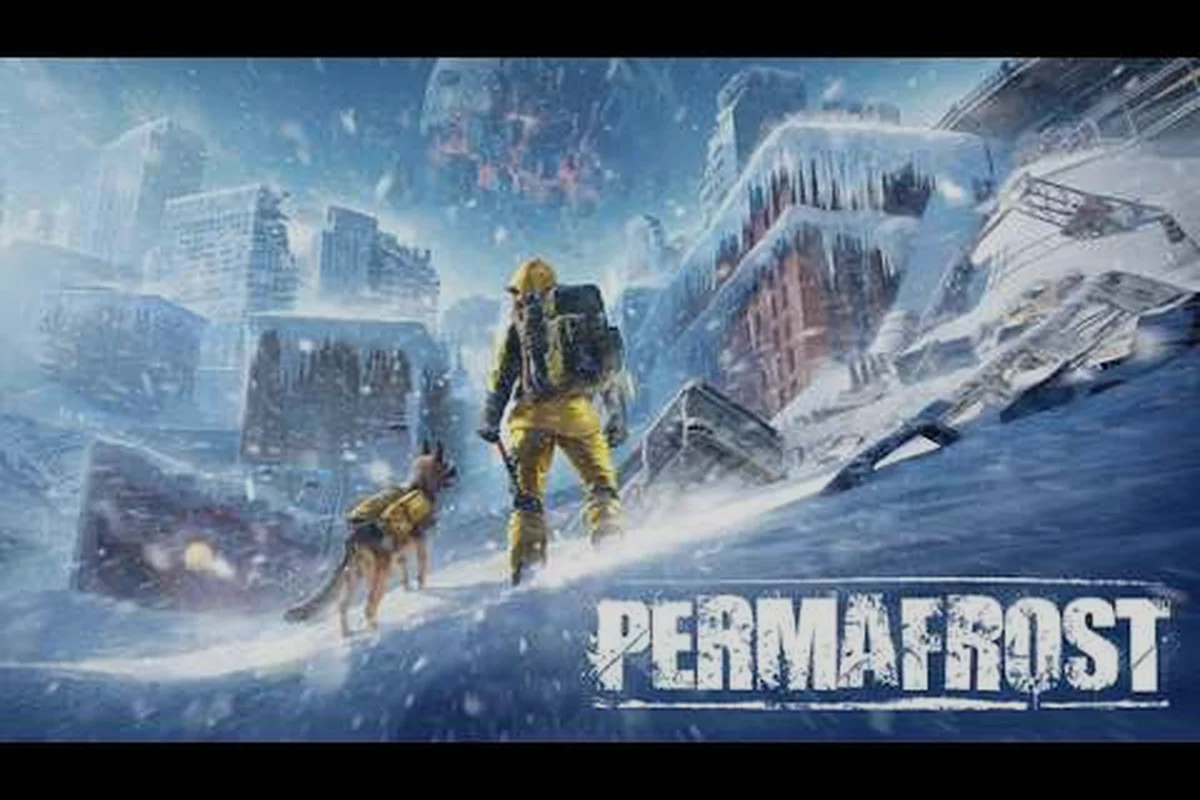
Surviving the endless winter in Permafrost means mastering two connected systems: crafting permafrost improvised weapons that keep you alive in close fights, and stacking the right clothing layers so the cold does not drain your health before a wolf ever reaches you. A winter jacket alone will not save you, but a layered setup paired with a sharpened improvised blade often will. This guide breaks down the gear tiers, the best armor for cold, and the exact crafting priorities that let you move through blizzards instead of freezing in place.
Understanding Improvised Weapons and Early Crafting Priorities
The first hours in Permafrost punish players who rush toward high-tier blueprints before securing basic survival tools. Improvised weapons are not a fallback option; they are the backbone of your first expedition because they require only scavenged materials and can be repaired at a makeshift workbench without advanced components. According to the official Permafrost on Steam page, the game drops you into a frozen open world as an engineer with limited wilderness experience, which means your early crafting decisions determine whether you reach the first shelter or freeze on the way there.
Why Improvised Weapons Beat Early Blueprint Chasing
New players often hoard scrap metal and cloth while waiting for a hunting rifle blueprint, but that approach leaves them defenseless during the first storm cycle. A sharpened pipe spear or a weighted club can be crafted in under a minute with materials found near any abandoned vehicle or collapsed building. Community testing consistently shows that an improvised weapon with 60 percent durability still outperforms an empty rifle slot in every early encounter, because the game's melee stagger mechanic interrupts wolf lunges and buys you time to reposition.
The crafting loop for early weapons follows a simple rhythm: scavenge scrap metal, duct tape, and wood planks, then return to a workbench to assemble a tool that serves double duty as a weapon and a resource harvester. This dual-purpose design matters because inventory space is limited, and carrying a dedicated weapon plus a dedicated tool wastes slots that should hold cloth strips and insulation material for your clothing layers.
| Improvised Weapon | Primary Materials | Damage Type | Best Use Case | Durability Cost |
|---|---|---|---|---|
| Sharpened Pipe Spear | Scrap metal, wood plank | Piercing | Wolf defense, reach advantage | Low |
| Weighted Club | Scrap metal, duct tape | Blunt | Breaking ice, stunning enemies | Medium |
| Glass Shard Knife | Broken glass, cloth strip | Slashing | Quick attacks, skinning | High |
| Reinforced Ice Pick | Scrap metal, leather strap | Piercing | Climbing, emergency weapon | Medium |
The table above reflects the permafrost tools tier list for the early game, where reliability and repair cost matter more than raw damage numbers. A glass shard knife hits fast but breaks quickly, while the sharpened pipe spear remains the community favorite because its reach lets you strike from behind partial cover. When you combine these weapons with the right clothing layers, you can survive encounters that would otherwise force a retreat.
Building the Best Cold Armor With Clothing Layers
Cold resistance in Permafrost is not a single stat on one item; it is the sum of every clothing layer you wear, and the game calculates heat retention based on base insulation, wind resistance, and moisture protection. A permafrost winter jacket provides the largest single boost to base insulation, but it cannot compensate for wet boots or an uncovered head slot. Players who treat clothing as a set rather than a collection of individual pieces consistently survive longer in blizzard zones, according to community reports from early access testing.
How Layering Actually Works
The layering system follows a realistic model where inner layers manage moisture, mid layers trap heat, and outer layers block wind and snow. Wearing a heavy winter jacket over a soaked cotton shirt actually reduces your effective warmth because the trapped moisture accelerates heat loss. The game tracks this through a wetness meter that rises when you move through deep snow or stand in freezing rain, and only certain inner layer materials like wool or synthetic fleece wick moisture away from your body.
Your permafrost clothing layers should prioritize three slots in the early game: head, torso, and feet. These three slots account for roughly 70 percent of total heat loss, which means a fur-lined hood, a padded winter jacket, and insulated boots will keep you alive far longer than a full set of low-tier gloves and pants. The remaining slots still matter, but they are secondary until you secure a reliable heat source for your shelter.
| Clothing Layer | Slot | Insulation Value | Wind Resistance | Moisture Protection | Priority |
|---|---|---|---|---|---|
| Wool Base Layer | Torso, legs | Medium | Low | High | Critical |
| Padded Winter Jacket | Torso | High | Medium | Medium | Critical |
| Fur-Lined Hood | Head | High | High | Low | Critical |
| Insulated Boots | Feet | Medium | Medium | High | High |
| Leather Gloves | Hands | Low | Medium | Low | Medium |
| Snow Goggles | Face | None | High | None | Situational |
The permafrost gear tier list for cold protection places the padded winter jacket at the top of early-game torso options because it balances insulation with mobility. Heavy fur coats offer more warmth but slow your movement speed, which becomes a liability when you need to dodge a charging predator or sprint between cover points during a whiteout.
Tool and Gear Tier Rankings for Cold Zone Expeditions
Moving into higher-tier zones requires more than just a warm jacket; you need tools that do not fail when the temperature drops below a certain threshold. The permafrost tools tier list changes once you enter deep freeze biomes, where standard metal tools become brittle and improvised weapons lose durability faster. Community testing indicates that reinforced tools with leather-wrapped grips maintain functionality roughly 40 percent longer in sub-zero conditions compared to bare metal versions.
Tier Breakdown for Weapons and Harvesting Tools
The game separates tools into improvised, standard, reinforced, and specialized tiers, with each tier requiring progressively rarer materials and higher crafting skill. Improvised tools are universally craftable but degrade quickly, while specialized tools like the thermal drill or composite ice axe demand rare components found only in high-risk zones. The key insight from the Toplitz Productions announcement is that the game intends cold itself to be your deadliest enemy, which means tool reliability in extreme weather is a survival stat, not a convenience stat.
| Tool Tier | Example Tools | Material Requirements | Cold Performance | Repair Cost |
|---|---|---|---|---|
| Improvised | Pipe spear, glass knife | Scrap, cloth, wood | Poor below -20°C | Very low |
| Standard | Steel hatchet, hunting knife | Forged steel, leather | Moderate to -30°C | Low |
| Reinforced | Wrapped ice axe, thermal pick | Alloy, leather wrap | Good to -45°C | Medium |
| Specialized | Thermal drill, composite axe | Rare alloy, electronics | Excellent below -50°C | High |
The permafrost gear tier list for weapons follows a similar curve, but the real differentiator is not damage output; it is swing speed and stamina cost in cold weather. Heavy weapons hit harder but drain stamina faster, and stamina regenerates slower when your character is cold. This creates a feedback loop where under-geared players become progressively less effective in combat as their body temperature drops, which is why the best armor for cold is often more valuable than a higher-tier weapon.
Practical Loadout Strategies for Blizzard Survival
A successful blizzard expedition starts with a loadout that balances heat retention, carry weight, and combat readiness. The most common mistake is packing too many weapons and not enough heat packs or insulation repair kits, which leaves you unable to maintain your clothing layers during a multi-day storm. Players who treat blizzards as gear checks rather than combat encounters consistently return with more loot and fewer deaths.
The 60-30-10 Loadout Rule
Veteran players recommend a simple inventory split: 60 percent of your carry weight for clothing and heat management, 30 percent for weapons and tools, and 10 percent for food, water, and medical supplies. This ratio shifts slightly once you unlock sled storage or pack animals, but the core principle holds because cold damage accumulates faster than hunger or thirst in extreme weather. A full set of permafrost clothing layers with a single reliable improvised weapon will outperform a backpack full of guns and a thin jacket every time.
The permafrost winter jacket deserves special attention because it occupies the torso slot, which has the highest insulation multiplier in the game. Upgrading your jacket from padded to fur-lined or synthetic insulated provides a larger warmth increase than upgrading all four limb slots combined. If you can only afford one major gear upgrade before heading into a high-tier cold zone, the jacket is almost always the correct choice.
Repair and Maintenance During Long Expeditions
Clothing and weapons both degrade faster in cold weather, and the game does not pause degradation while you sleep or wait out a storm. This means you need to carry repair materials that match your equipped gear, not just your weapons. A leather repair kit fixes boots and gloves, while a cloth repair kit handles your base layers and hood. Running out of repair materials in the middle of a blizzard is one of the most common causes of death reported by players, because a torn jacket loses insulation value rapidly even if the durability bar still shows 30 percent remaining.
The Permafrost tools and weapons list provides a complete breakdown of every craftable item and its repair requirements, which is worth reviewing before you commit to a specific loadout. Understanding which materials your gear needs prevents the frustrating situation of carrying three repair kits but none that actually work on your equipped items.
Advanced Cold Weather Combat and Movement
Fighting in deep cold changes the rules of engagement because both you and your enemies move slower, and certain improvised weapons become more effective when the temperature drops. Blunt weapons like the weighted club gain a hidden advantage in cold zones because frozen enemies take bonus stagger damage, while piercing weapons like the pipe spear lose some effectiveness against frost-hardened hides. This interaction is not explicitly listed in the game's UI, but community testing has confirmed the pattern across multiple early access builds.
Movement and Positioning in Deep Snow
Deep snow slows your movement speed by up to 40 percent, which makes kiting strategies far less effective than in temperate zones. Instead of backing away from enemies, experienced players recommend circle strafing around obstacles or using ice formations as natural barriers that break line of sight. The reinforced ice pick doubles as a movement tool in these situations because it lets you climb frozen surfaces that enemies cannot traverse, creating vertical escape routes that most predators cannot follow.
Your permafrost best armor for cold setup should include at least one piece with high wind resistance because wind chill is a separate damage source that ignores base insulation. The fur-lined hood and snow goggles combination provides the highest wind resistance in the head slot, and the goggles also prevent the whiteout debuff that reduces your visibility and accuracy during storms. Players who skip the goggles often find themselves unable to land hits on enemies they cannot see clearly, which turns easy encounters into desperate scrambles.
| Cold Zone | Recommended Gear Tier | Minimum Insulation | Key Threats | Special Notes |
|---|---|---|---|---|
| Frozen Forest | Improvised to Standard | 40+ | Wolves, exposure | Wind chill moderate |
| Glacial Plains | Standard to Reinforced | 60+ | Bears, whiteouts | Wind chill high |
| Deep Freeze Basin | Reinforced to Specialized | 80+ | Frost stalkers, extreme cold | Wetness accumulates fast |
| Permafrost Core | Specialized only | 100+ | Unknown, extreme everything | Requires full layered set |
The table above summarizes the permafrost gear tier list requirements for each major cold zone, based on community reports and early access testing. Note that these numbers represent minimum thresholds, not comfortable levels; players who enter a zone at exactly the minimum insulation value will still struggle unless they manage wetness and wind exposure carefully.
Frequently Asked Questions
What are the best permafrost improvised weapons for early game?
The sharpened pipe spear and weighted club are the top early improvised weapons because they require only scrap metal, wood, and duct tape. The spear offers reach and piercing damage against wolves, while the club delivers blunt stagger that interrupts enemy attacks. Both are repairable at a basic workbench with common materials.
How many clothing layers do I need to survive a blizzard?
You need at least three functional layers: a wool base layer for moisture management, a padded winter jacket for core insulation, and a fur-lined hood for wind resistance. These three pieces cover roughly 70 percent of total heat loss. Adding insulated boots and leather gloves pushes your survival time significantly higher.
Is the permafrost winter jacket the best armor for cold?
The padded winter jacket is the best early-game torso option because it balances insulation with mobility, but the fur-lined jacket and synthetic insulated jacket outperform it in deep freeze zones. The torso slot has the highest insulation multiplier, so upgrading your jacket provides more warmth than upgrading all four limb slots combined.
Do improvised weapons break faster in cold weather?
Yes, improvised weapons degrade faster in sub-zero temperatures, especially below -20°C. Reinforced tools with leather-wrapped grips maintain functionality roughly 40 percent longer in extreme cold compared to bare metal versions. Carrying matching repair materials is essential for long expeditions because degradation continues even while you sleep or wait out storms.
What is the most common mistake new players make with cold gear?
The most common mistake is treating clothing as individual items rather than a layered system. Players wear a heavy winter jacket over a soaked cotton shirt, which actually reduces effective warmth because trapped moisture accelerates heat loss. Managing the wetness meter with proper inner layers matters as much as stacking raw insulation values.
Surviving Permafrost comes down to preparation, not reaction. The players who thrive in the endless winter are the ones who craft reliable improvised weapons before they need them, layer their clothing with intention rather than convenience, and treat every blizzard as a gear check that reveals weaknesses in their loadout. Master the permafrost tools tier list, respect the permafrost clothing layers system, and upgrade your winter jacket early, and the frozen world becomes a challenge to overcome rather than a death sentence to endure.