
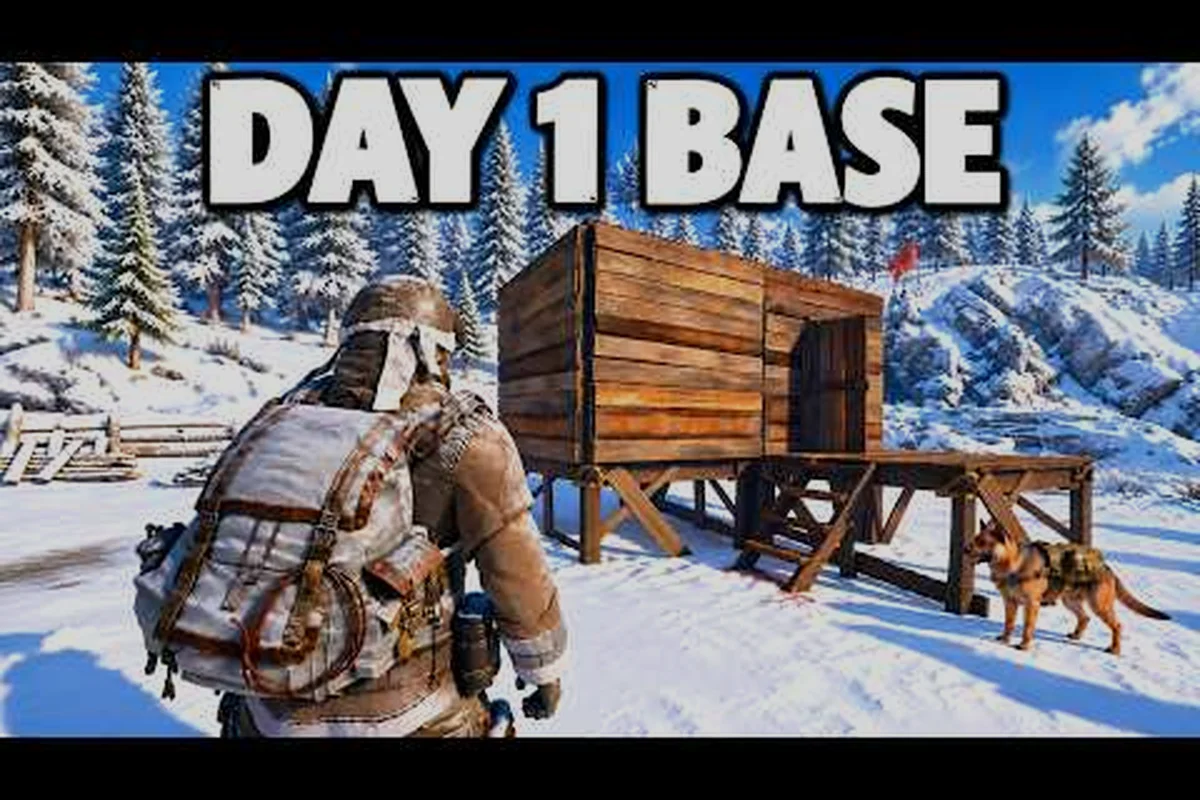
Every expedition into the frozen wilderness of Permafrost eventually hits the same wall: your pack is full, your movement is sluggish, and a blizzard is rolling in. Understanding permafrost carrying capacity is not a late-game optimization—it is the difference between returning with a sled full of salvage and freezing to death fifty meters from your shelter because you could not sprint. This guide breaks down exactly how weight works, what drags you down, and which gear choices let you haul more without sacrificing survival.
How Permafrost Carrying Capacity Actually Works
The weight system in Permafrost is built around a simple premise that gets complicated fast once you factor in clothing, tools, and weapons. Your Rook has a base carrying capacity that determines how much total mass you can lift before penalties start stacking, and those penalties are not gentle. According to the official Permafrost on Steam page, the game models survival with a grounded approach to exhaustion and encumbrance, which means every kilogram over your comfort threshold feeds directly into stamina drain, movement speed, and cold resistance.
The core numbers matter more than most players realize. Your base weight limit sits at a fixed value that early access players have reported as roughly 40 kilograms, though community testing suggests this may shift slightly with future patches. What does not shift is the penalty curve: at 50% load you lose a small amount of sprint efficiency, at 75% load your stamina regeneration drops noticeably, and at 90% or higher you are essentially waddling through snow while wolves circle. The game does not stop you from picking up that extra stack of scrap metal, but it absolutely punishes the decision.
| Load Percentage | Movement Effect | Stamina Drain | Cold Resistance Penalty |
|---|---|---|---|
| Under 50% | Full sprint speed | Normal | None |
| 50–74% | Slight sprint reduction | +15% drain | Minor |
| 75–89% | Noticeable slowdown | +35% drain | Moderate |
| 90–100% | Heavy slowdown, no sprint | +60% drain | Severe |
| Over 100% | Crawl speed only | Constant drain | Critical |
The table above reflects community-reported values from early access testing and may vary by platform or patch version. What stays consistent is the lesson: staying under 75% load is the sweet spot for most expeditions, because the jump from moderate to severe penalties is where runs start ending badly. Experienced players often plan their loot routes around this threshold rather than trying to max out every single trip.
Why Weight Management Beats Inventory Expansion
New players frequently ask how to increase inventory space, expecting a backpack upgrade or a skill point that magically expands their pockets. Permafrost does not hand out free capacity. Instead, the game forces you to make hard choices about what you carry, and that is where the real depth lives. A Rook loaded with three melee weapons and two bows is not a versatile survivor—they are a walking loot piñata for every predator in the region.
The smarter approach is treating your carry weight as a resource budget. Every item you equip has a mass value, and those values add up faster than you expect. A stone axe might weigh 2.5 kilograms, a bow with a quiver of arrows another 3 kilograms, and a full set of layered clothing can easily push 8 kilograms before you have picked up a single piece of salvage. That leaves you with roughly 26 kilograms of free space on a 40-kilogram base limit, which disappears quickly once you start grabbing scrap metal, frozen food, and crafting components.
Gear Weight Breakdown: Bows, Melee Weapons, and Stone Tools
Your combat loadout is one of the biggest contributors to permafrost weight limit problems, and most players do not realize how much their weapon choices matter. The game offers a range of crafted weapons across multiple tiers, and each tier carries a different mass-to-damage ratio. Choosing the right tool for the expedition—not just the strongest one—is a core survival skill.
| Weapon Type | Approximate Weight | Damage Tier | Best Use Case |
|---|---|---|---|
| Stone Axe | 2.5 kg | Low | Early gathering, light defense |
| Stone Spear | 2.0 kg | Low-Medium | Reach attacks, wolf deterrence |
| Crude Bow | 1.8 kg | Medium (ranged) | Hunting, silent takedowns |
| Reinforced Bow | 2.4 kg | Medium-High (ranged) | Mid-game hunting, tougher prey |
| Metal Machete | 3.2 kg | High | Close-quarters combat, clearing |
| Sledgehammer | 5.0 kg | Very High | Breaking structures, heavy melee |
The permafrost melee weapons category is a trap if you treat it as a collect-them-all situation. Carrying a sledgehammer for structure breaking plus a machete for combat plus a bow for hunting means you have committed nearly 11 kilograms to weapons alone before arrows. That is over a quarter of your base capacity spent on tools you will use situationally at best. Community reports consistently show that players who specialize in one melee weapon and one ranged option survive longer and haul more loot per trip.
Bows and Their Hidden Weight Costs
The permafrost bows guide conversation usually focuses on damage and draw speed, but weight is the silent killer. A bow itself is relatively light, but arrows are not weightless, and a full quiver of 20 arrows adds meaningful mass. Players who carry 40 or 60 arrows because they are afraid of running out are sacrificing 2-3 kilograms of loot capacity for ammunition they will likely never fully expend on a standard hunting trip.
The permafrost stone weapons tier is actually the most weight-efficient option for early game, which surprises many players who assume stone tools are just placeholders until metal unlocks. A stone spear weighs less than a metal machete while still providing enough reach to keep wolves at bay, and a crude bow with stone-tipped arrows is perfectly adequate for hunting boars and smaller game. The trade-off is durability—stone weapons break faster, which means you either carry backup tools or plan shorter expeditions. For a deeper look at crafting these early tools efficiently, the permafrost tools guide covers material requirements and upgrade paths in detail.
How to Increase Inventory Efficiency Without Breaking the Game
The honest answer to permafrost how to increase inventory is that you cannot dramatically expand your base capacity, but you can dramatically improve how you use the space you have. This is not a game with a magic backpack enchantment or a skill tree node that adds 20 kilograms. Instead, efficiency comes from loadout discipline, route planning, and understanding which items are worth their weight.
| Strategy | Weight Saved | Difficulty | Risk Level |
|---|---|---|---|
| Single melee weapon only | 2–5 kg | Easy | Low |
| Limit arrows to 20 per trip | 1–2 kg | Easy | Low |
| Drop tools before looting runs | 3–6 kg | Medium | Medium |
| Use lightweight clothing layers | 2–4 kg | Medium | Medium |
| Cache supplies at waypoints | 5–10 kg per cache | Hard | Low (with planning) |
The caching strategy deserves special attention because it transforms how you think about expeditions. Instead of carrying everything back to your main shelter in one trip, you establish small supply caches at key locations—a ruined cabin, a cave entrance, a frozen river crossing. Each cache holds non-perishable salvage, extra arrows, or backup tools. When your pack fills up mid-expedition, you drop off the heavy items at the nearest cache and continue looting, then make dedicated hauling trips later when you are not also trying to hunt or explore.
Clothing Weight and Cold Resistance Trade-offs
Clothing is the other major weight category that players consistently underestimate. Layered clothing is essential for surviving the deep cold, but every layer adds mass, and the warmest options are not always the heaviest. The game models insulation versus weight in a way that rewards thoughtful selection over simply equipping the bulkiest coat you can craft.
| Clothing Item | Approximate Weight | Warmth Rating | Weight Efficiency |
|---|---|---|---|
| Light Thermal Layer | 1.0 kg | Low | Excellent |
| Insulated Jacket | 2.5 kg | Medium | Good |
| Heavy Parka | 4.0 kg | High | Poor |
| Fur-Lined Boots | 1.5 kg | Medium | Good |
| Reinforced Gloves | 0.8 kg | Low-Medium | Excellent |
The weight efficiency column is the number that matters. A heavy parka provides excellent warmth but costs 4 kilograms of your precious capacity, while a light thermal layer plus an insulated jacket provides nearly the same total warmth for 3.5 kilograms with more flexibility. You can shed the jacket when moving through warmer areas or during strenuous activity, but you cannot shed half a parka. Players who master this layering system consistently report hauling 20-30% more loot per expedition than those who just equip the warmest gear available.
Expedition Planning: Matching Loadout to Objective
The single biggest mistake in managing permafrost carrying capacity is using one universal loadout for every trip. A hunting expedition has completely different weight requirements than a salvage run or a story mission, and treating them the same wastes capacity on every single outing. The fix is simple but requires discipline: plan your loadout before you leave the shelter, not after you are already halfway across the frozen lake.
For a hunting trip, your priority is mobility and quiet movement. A single bow with 20 arrows, one lightweight melee weapon for emergencies, and minimal clothing layers appropriate for the expected temperature range. Total weapon and ammo weight should stay under 5 kilograms, leaving maximum room for meat, hides, and any unexpected salvage you find along the way. The permafrost hunting guide breaks down animal behavior and trap placement, but the weight principle is straightforward: hunt light, return heavy.
For a salvage run, you can afford to carry more tools because you know you will be filling your pack with scrap. A sledgehammer for breaking open containers, a medium melee weapon for defense, and no bow at all unless you expect to hunt on the way. The key is accepting that you will move slower on the return trip and planning your route accordingly. If you are new to the game's systems and want a broader overview of survival priorities, the beginner guide covers the fundamentals that make loadout planning feel natural rather than like spreadsheet work.
The 75% Rule and Why It Works
Veteran players have converged on a simple heuristic that solves most weight management problems: never leave your shelter above 50% load, and never start your return trip above 75% load. The first number ensures you have room to pick up loot without immediately hitting penalties, and the second number ensures you can still move effectively when it matters most—during the return trip when you are tired, cold, and potentially being hunted.
This rule works because it accounts for the compounding nature of survival mechanics. You do not just lose movement speed when overburdened; you lose stamina faster, which makes you colder, which makes you burn more food, which forces you to carry more food, which adds more weight. Breaking the cycle early by staying light is far more effective than trying to power through the penalties with consumables. The game's survival systems are unforgiving by design, and weight management is the first domino in a chain that ends with either a successful return or a frozen corpse.
Frequently Asked Questions
What is the base permafrost carrying capacity for a new Rook?
Community testing in early access suggests a base weight limit around 40 kilograms, though this value may be adjusted in future patches. The exact number matters less than the penalty thresholds—staying under 75% load keeps movement and stamina penalties manageable, while exceeding 90% load makes sprinting impossible and drains stamina rapidly.
How do I increase my inventory space in Permafrost?
You cannot dramatically expand your base capacity through upgrades or skills. Instead, focus on loadout discipline: carry one melee weapon instead of three, limit arrows to 20 per trip, use lightweight clothing layers, and establish supply caches at waypoints. These strategies effectively increase how much loot you can haul per expedition without changing the underlying weight limit.
Do bows weigh more than melee weapons in Permafrost?
Bows themselves are relatively light—a crude bow weighs around 1.8 kilograms—but arrows add hidden weight that players often ignore. A full quiver of 20 arrows adds meaningful mass, and carrying 40-60 arrows can cost 2-3 kilograms of loot capacity. Stone melee weapons like spears are actually the most weight-efficient combat option for early game.
What is the best weapon loadout for maximizing carry weight?
A single stone spear for melee defense plus a crude bow with 20 arrows for hunting keeps your total weapon weight under 4 kilograms. This leaves maximum capacity for salvage while still providing adequate protection against wolves and other threats. Specialize in one melee option rather than carrying multiple weapons for different situations.
Does clothing weight affect permafrost carrying capacity significantly?
Yes, clothing is one of the biggest weight contributors that players overlook. A heavy parka costs 4 kilograms while providing warmth that can be nearly matched by a light thermal layer plus an insulated jacket at 3.5 kilograms total. Layering lighter clothing pieces gives you more flexibility and saves meaningful capacity for loot.