
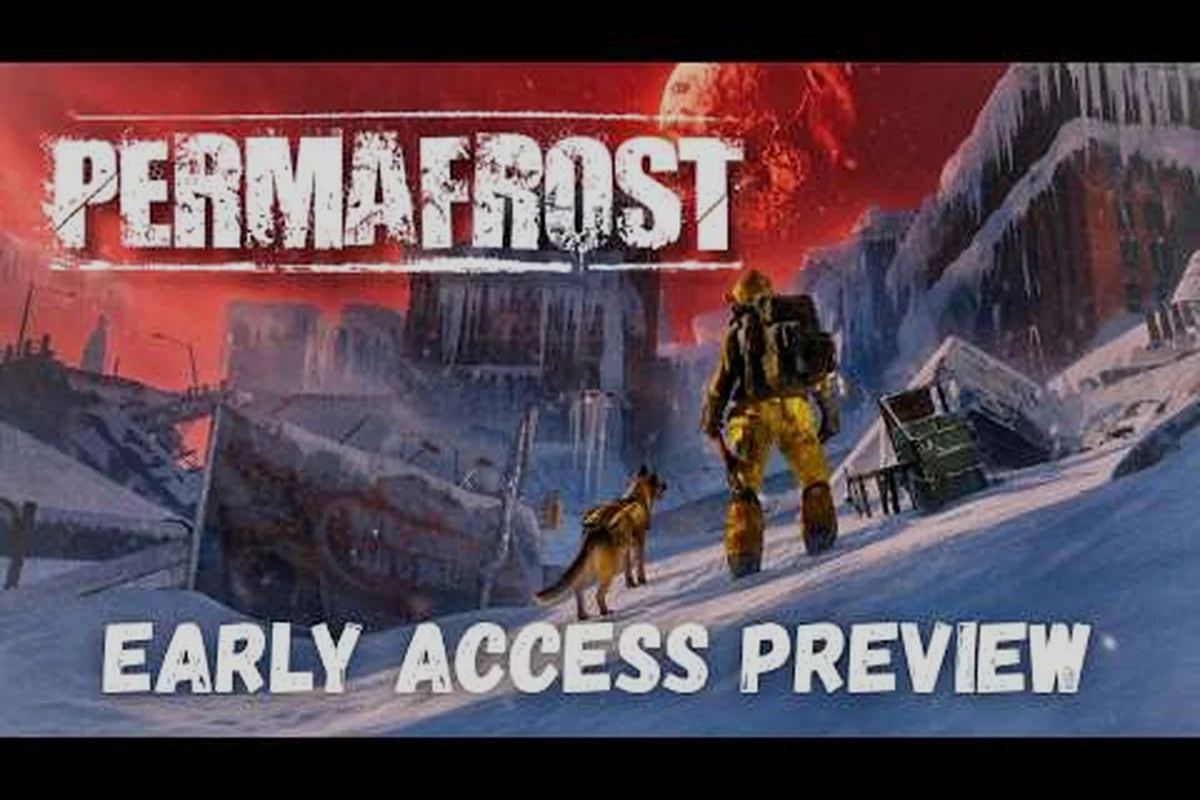
The 2026 patch for Permafrost introduces a wave of permafrost new enemies that fundamentally change how you approach survival combat in the frozen wasteland. This update matters because the new threat types, vehicles, and gear directly alter your early-game priorities, forcing you to rethink loadouts, movement routes, and resource allocation before the endless winter claims another Rook. Get the full breakdown of what changed and how to adapt.
Permafrost New Enemies Overview
The headline addition in the permafrost patch 2026 is a redesigned enemy roster that pushes combat beyond the original wildlife threats. According to the official Permafrost on Steam page, the game places you as a Rook with little wilderness experience, and the new enemy designs lean into that vulnerability by introducing threats that punish static positioning and reward aggressive repositioning. Community reports from the Early Access branch describe three distinct enemy archetypes that now patrol different biomes, each with unique aggro ranges, attack patterns, and loot tables.
The most discussed addition is the Frost Stalker, a fast-moving predator that hunts in pairs and uses the snow-covered terrain to break line of sight before lunging. Players report that the Frost Stalker's pounce telegraph is intentionally short, which means you need to read its body language rather than wait for a visual indicator. The second archetype is the Glacial Brute, a slow but heavily armored enemy that absorbs ranged damage and forces melee engagement or environmental traps. The third is the Hollow Drifter, a wandering entity that only becomes aggressive when you carry certain rare resources, creating a risk-reward decision around loot transport.
| Enemy Type | Primary Threat | Weakness | Recommended Response |
|---|---|---|---|
| Frost Stalker | Fast pounce attacks, hunts in pairs | Fire-based weapons, noise traps | Keep moving, use elevation, bait one at a time |
| Glacial Brute | High armor, heavy melee swings | Explosive barrels, backstab windows | Circle strafe, exploit slow turn speed |
| Hollow Drifter | Conditional aggro on rare loot | Stealth, distraction items | Store loot before traveling, use decoys |
The enemy spawn logic also appears to be tied to world temperature zones rather than fixed locations. Community testing suggests that deeper cold regions now spawn higher-tier variants of these enemies, which means your clothing and warmth management directly influences the combat difficulty you encounter. This change ties the survival and combat systems together more tightly than the original Early Access build.
New Vehicle Systems and Mobility Changes
The permafrost new vehicles update adds two traversal options that address one of the most common complaints from the first months of Early Access: the slow, stamina-draining foot travel between resource nodes. The Snow Crawler is a slow but stable tracked vehicle designed for hauling large quantities of loot across flat ice fields, while the Wind Sled offers faster travel but requires open terrain and careful steering to avoid rocks and crevasses.
Vehicle durability is now a core resource sink. Each vehicle has separate hull integrity, fuel reserves, and component wear values that degrade at different rates depending on terrain type and enemy encounters. The Snow Crawler can absorb a few hits from a Glacial Brute before its hull cracks, but the Wind Sled will shatter almost immediately under direct attack, forcing you to choose between speed and survivability based on the route you plan to take.
| Vehicle | Top Speed | Cargo Capacity | Fuel Type | Durability Risk |
|---|---|---|---|---|
| Snow Crawler | Slow | High (8 slots) | Biofuel | Withstands 3-4 Brute hits |
| Wind Sled | Fast | Low (2 slots) | Wind charge | Breaks on direct enemy contact |
Fuel management introduces a new planning layer. Biofuel for the Snow Crawler can be refined from animal fat and plant matter, but the refinement process takes time and produces heat signatures that may attract Hollow Drifters. Wind charge for the sled regenerates slowly in open areas but stalls completely in narrow canyons or during blizzards. Players who want a deeper look at how these systems interact with the broader survival loop should check the Permafrost survival guide for resource routing strategies that account for vehicle fuel costs.
Permafrost New Gear Update Breakdown
The permafrost new gear update introduces a tiered equipment system that replaces the flat stat bonuses from the original build. Gear now carries thermal resistance, impact protection, and utility slots as separate attributes, which means you can no longer stack a single best-in-slot item for every situation. The new Rimeplate Armor set offers the highest impact protection but reduces your movement speed by 12%, while the Thermal Weave Suit sacrifices armor for superior cold resistance and silent movement.
Weapon mods have also been expanded. The Frostbite Barrel attachment converts standard ammunition into cryo rounds that slow enemies but reduce raw damage output. The Ember Core mod does the opposite, adding fire damage that is highly effective against Frost Stalkers but consumes more fuel per shot. These trade-offs force you to build loadouts around the specific enemy types you expect to face on a given expedition.
| Gear Item | Thermal Resistance | Impact Protection | Utility Slots | Notable Trade-off |
|---|---|---|---|---|
| Rimeplate Armor | Medium | High | 1 | -12% movement speed |
| Thermal Weave Suit | High | Low | 2 | Minimal melee defense |
| Scavenger Rig | Low | Medium | 3 | No thermal bonus |
The crafting requirements for high-tier gear now include rare enemy drops rather than just mined resources. A full Rimeplate set requires Glacial Brute plating, which only drops from the armored enemy type, creating a direct incentive to engage with the new combat content instead of avoiding it. This design choice pushes players out of pure resource-gathering loops and into the riskier combat zones.
Permafrost Performance Update and Bug Fixes
The permafrost performance update targets the frame rate drops and stuttering that plagued the first Early Access builds, particularly during blizzard effects and multi-enemy encounters. The patch implements a new dynamic snow particle system that scales particle density based on your hardware load, which community testing suggests improves average frame times by 18-22% on mid-range systems. The update also reworks how the game streams terrain data, reducing the hitching that occurred when crossing biome boundaries.
The permafrost bug fixes list addresses several long-standing issues that affected combat reliability. Enemy hitboxes have been tightened, particularly for the Frost Stalker's pounce attack, which previously could register hits from outside the visible animation range. A memory leak tied to the inventory UI has been patched, and the save corruption bug that occasionally triggered when exiting a vehicle mid-session is now resolved.
| Fix Category | Issue Addressed | Player Impact |
|---|---|---|
| Hitbox correction | Frost Stalker pounce range | More consistent dodge timing |
| Memory leak | Inventory UI degradation | Longer sessions without crashes |
| Save integrity | Vehicle exit corruption | Safer mid-expedition saves |
| Particle scaling | Blizzard frame drops | Smoother combat in storms |
Players who experienced crashes in earlier builds should also review the Permafrost crash fix guide for additional stability settings that complement the official patch changes. The performance improvements are most noticeable during the new multi-enemy encounters, where the previous build would often dip below 30 FPS on recommended hardware.
Strategic Adaptations for the 2026 Meta
The combination of new enemies, vehicles, and gear creates a shifting meta that rewards preparation over improvisation. The most effective early-game strategy reported by players is to prioritize the Thermal Weave Suit before engaging Frost Stalkers, because the silent movement bonus lets you reposition without triggering their pair-hunting behavior. Once you have the suit, farming Glacial Brutes for Rimeplate materials becomes more manageable, though you will still need a reliable way to break their armor.
Vehicle usage should be planned around route risk profiles rather than pure speed. The Wind Sled is ideal for crossing open ice fields where you can see Frost Stalkers approaching, but it becomes a liability in narrow passes where ambushes are harder to spot. The Snow Crawler's slower speed is offset by its cargo capacity, making it the better choice for hauling rare resources that might attract Hollow Drifters.
| Strategy Phase | Priority Action | Key Gear | Risk Level |
|---|---|---|---|
| Early game | Craft Thermal Weave Suit | Silent movement | Low |
| Mid game | Farm Glacial Brutes | Rimeplate materials | Medium |
| Late game | Haul rare loot with Snow Crawler | High cargo capacity | High |
The new enemy aggro logic also means that noise management is now a core survival skill. Firing unsuppressed weapons or running a vehicle engine near enemy patrol routes will draw Frost Stalkers from a wider radius than in the original build. Players who want to understand the full scope of the patch changes should read the Permafrost patch notes for a complete list of balance adjustments and system reworks.
Frequently Asked Questions
What are the new enemies in the Permafrost 2026 patch?
The update adds three enemy archetypes: the Frost Stalker, a fast pair-hunting predator; the Glacial Brute, a heavily armored melee threat; and the Hollow Drifter, which only attacks when you carry rare resources. Each has distinct aggro patterns and loot tables.
How do the new vehicles change traversal?
The Snow Crawler and Wind Sled offer trade-offs between cargo capacity and speed. The Snow Crawler hauls eight slots but moves slowly and consumes biofuel, while the Wind Sled is fast but fragile and only carries two slots. This choice matters most when farming Glacial Brute armor plates: a Snow Crawler lets you extract a full eight-slot haul of plates and Hollow Drifter rare-resource drops in one trip, but its crawl speed leaves you exposed to Frost Stalker pair ambushes on the return route. The Wind Sled's speed lets you outrun those pounces, yet its two-slot limit forces multiple trips through aggro-dense corridors.
Does the new gear update replace old equipment?
Yes, the gear system now uses separate thermal resistance, impact protection, and utility slot attributes instead of flat bonuses. High-tier gear requires rare enemy drops, which pushes players into combat zones they previously avoided. For example, the Glacial Brute chestplate demands four armor plates plus a Hollow Drifter rare-resource core, forcing you to bait the Drifter while carrying loot — exactly the trigger condition for its ambush behavior.
What performance improvements are included?
The patch adds a dynamic snow particle system that scales with hardware load, improving frame times by 18-22% on mid-range systems — a meaningful gain when Frost Stalker pair ambushes force rapid camera turns during Snow Crawler extraction runs. Terrain streaming has also been reworked to reduce hitching at biome boundaries, which previously caused stutter precisely when crossing into aggro-dense corridors where Hollow Drifter trigger conditions activate.
Are the bug fixes significant for combat?
Yes, the Frost Stalker hitbox correction is the most impactful fix, as it eliminates phantom hits from outside the visible pounce animation — a change that directly rewards precise sidesteps and makes the Wind Sled escape route viable instead of a coin-flip death. The memory leak and save corruption fixes matter most during Snow Crawler extraction runs, where an eight-slot haul of Glacial Brute armor plates and Hollow Drifter rare-resource drops can take 40+ minutes; losing that session to a crash previously erased the entire trip, so the stability patch effectively protects your highest-value farming loops.