
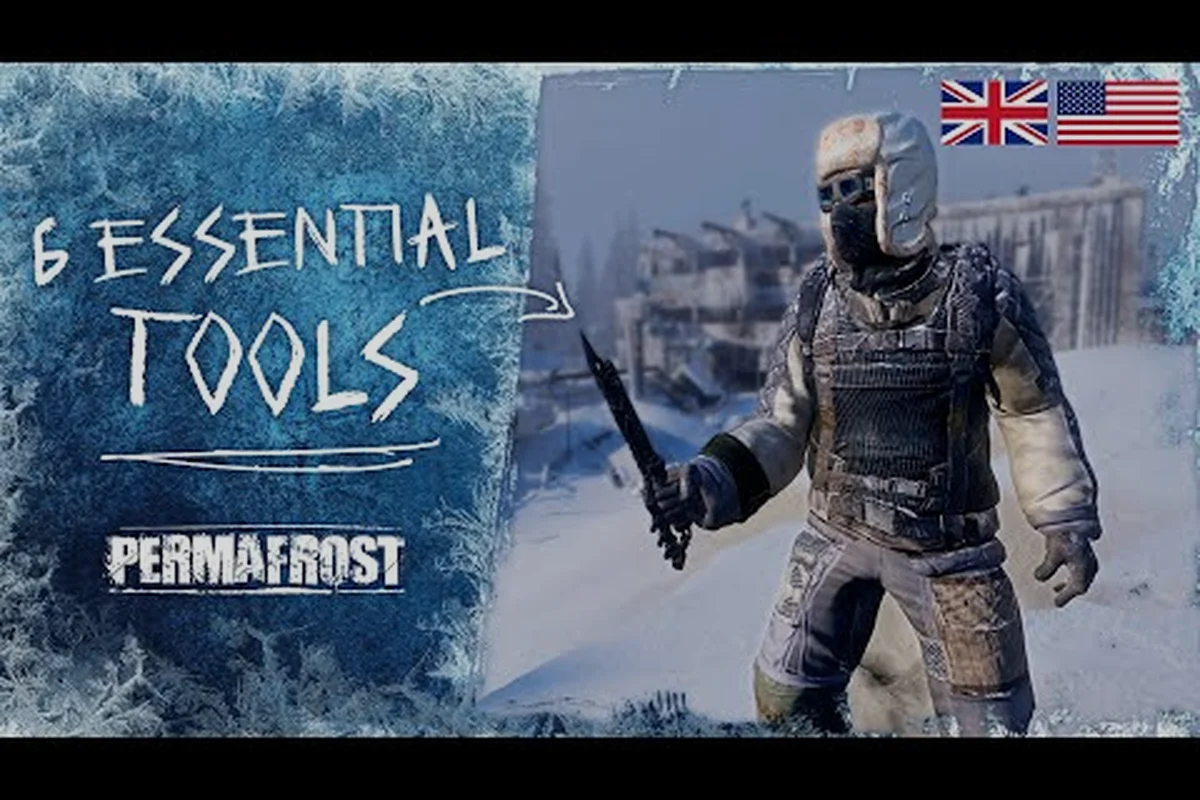
Understanding the permafrost crafting guide matters because the frozen world gives you almost nothing for free. Every tool, shelter upgrade, and heat source depends on finding the right blueprint and gathering frozen materials before your body temperature drops. This guide breaks down how the crafting menu works, where blueprints actually spawn, and which recipes deserve your first salvaged components.
Core Crafting Menu and Blueprint System
The crafting menu in Permafrost is not a simple recipe list that unlocks automatically as you level up. Instead, it operates on a blueprint-driven unlock system, which means you need to physically locate or earn a blueprint before the corresponding recipe appears in your crafting interface. This design forces exploration and scavenging into the core loop, because you cannot simply grind materials and expect new tools to become available.
When you open the crafting menu, you will see recipes organized by category, but locked entries appear as silhouettes or faded icons with no ingredient list. The game deliberately hides the material requirements for undiscovered recipes, which pushes you toward signal towers, abandoned shelters, and story-related caches. According to the official Steam page, you play as a Rook, an engineer with rebuilding skills but little wilderness experience, and the crafting system reflects that tension between technical knowledge and missing practical blueprints.
The crafting menu also separates hand-crafting from station-crafting. Early game recipes like a basic stone axe or improvised torch can be crafted directly from your inventory, while advanced items require a placed crafting station such as a workbench, forge, or cooking fire. This distinction matters because you cannot queue station recipes from anywhere on the map; you need to return to your base or find a functional station in the field.
| Crafting Type | Where It Works | Example Recipes | Blueprint Required |
|---|---|---|---|
| Hand-crafting | Inventory menu, anywhere | Stone axe, cloth wrap, basic torch | Usually yes for tools |
| Station-crafting | Workbench, forge, cooking fire | Metal tools, cooked meat, repair kits | Yes for advanced items |
| Field-crafting | Near specific environmental objects | Snow shelter, campfire | Sometimes no blueprint |
Community reports indicate that the crafting menu also tracks partial blueprint progress, meaning some recipes require multiple blueprint fragments before they unlock. This is especially common for advanced technology items tied to the game's lost-technology theme. When you find a fragment, the menu updates with a progress bar, which helps you understand whether you need one more piece or several.
Where to Find Blueprints in Permafrost
Blueprint locations in Permafrost follow a loose logic tied to the environment and story progression. You will not find a forge blueprint sitting in the open snow near your starting shelter. Instead, the game places crafting knowledge inside points of interest that match the item's function, which makes exploration feel more intentional than random looting.
The most reliable blueprint sources are abandoned structures, radio outposts, and story-related caches. Abandoned structures often contain basic survival recipes like improved clothing or simple tools, while radio outposts tend to hold communication or technology-related blueprints. Story caches are the most valuable because they frequently unlock entire crafting station categories rather than single items.
| Blueprint Source | Typical Recipes Found | Rarity | Best Time to Search |
|---|---|---|---|
| Abandoned shelters | Basic tools, clothing, simple furniture | Common | Early game |
| Radio outposts | Communication devices, signal-related tech | Uncommon | Mid game |
| Story caches | Crafting stations, advanced technology | Rare | Story progression |
| Frozen vehicles | Vehicle parts, repair kits | Uncommon | Anytime |
| Underground bunkers | High-tier weapons, armor components | Rare | Late game |
Players report that blueprint spawns are not fully randomized, which means certain locations will always contain specific recipe types. This is helpful for planning your scavenging routes, because you can revisit known locations on a new save and expect similar results. However, the exact blueprint within a category may vary, so you might find a stone pickaxe blueprint in one run and a bone knife blueprint in the next.
The permafrost crafting priority guide explains which recipes to chase first, but the general rule is to prioritize tool blueprints over cosmetic or furniture recipes. A new tool immediately expands your gathering options, while a decorative shelf does nothing for survival. This priority matters because blueprint hunting consumes time and heat, two resources you cannot afford to waste in the early game.
Essential Crafting Stations and Their Recipes
Crafting stations form the backbone of your progression in Permafrost, because they unlock recipe categories that hand-crafting cannot access. Each station has a specific function and requires both a blueprint and construction materials before you can place it. Understanding which station to build first dramatically improves your survival efficiency.
The workbench is usually the first major station you should construct, because it unlocks repair kits, improved tools, and basic weapon upgrades. The forge comes next and enables metalworking, which is required for high-tier tools and structural components. The cooking fire is essential for food preparation, but you can often find functional cooking fires in abandoned camps before you build your own.
| Crafting Station | Primary Function | Key Recipes | Blueprint Source |
|---|---|---|---|
| Workbench | Tool repair, basic upgrades | Repair kit, reinforced axe, storage box | Abandoned shelter or story cache |
| Forge | Metalworking, advanced tools | Metal pickaxe, nails, weapon components | Underground bunker or story cache |
| Cooking fire | Food preparation, water purification | Cooked meat, boiled water, stew | Starting recipe or camp discovery |
| Chemistry station | Medicine, fuel processing | Bandages, antiseptic, biofuel | Radio outpost or bunker |
| Tailoring station | Clothing, insulation gear | Fur coat, insulated gloves, snow boots | Abandoned shelter or story cache |
Community data suggests that station placement affects crafting efficiency, although the exact mechanic is still being tested. Some players report that placing a forge near a heat source reduces fuel consumption, while others claim the effect is purely visual. As of the current Early Access build, the safest approach is to place stations inside a sheltered structure to protect them from weather degradation.
The permafrost best base locations guide covers where to set up your crafting hub, because station placement ties directly into base building. A well-placed base with all stations in one room saves you from running between buildings during blizzards, which matters more than most new players realize.
Crafting Recipes for Early Game Survival
The first few hours of Permafrost determine whether you survive long enough to explore the deeper crafting systems. Your initial crafting priority should focus on heat management, basic tools, and food preparation, because these three categories address the immediate threats of cold, resource scarcity, and hunger.
The stone axe is usually the first tool you should craft, because it unlocks wood gathering, which feeds into nearly every other recipe. The improvised torch provides light and a small heat bonus, while the cloth wrap offers minimal insulation but can be crafted from scavenged fabric. These three items form the foundation of your early game loadout.
| Early Game Recipe | Required Materials | Primary Use | Priority Level |
|---|---|---|---|
| Stone axe | Stone, wood, cloth strip | Wood gathering, basic defense | Critical |
| Improvised torch | Wood, cloth, animal fat | Light, minor heat | High |
| Cloth wrap | Cloth scraps, thread | Basic insulation | High |
| Campfire kit | Wood, stone, tinder | Cooking, heat source | Critical |
| Bone knife | Bone, cloth strip | Skinning, precise cutting | Medium |
| Snow shelter | Snow blocks, wood frame | Emergency shelter | Medium |
Players consistently report that skipping the campfire kit is a common early game mistake, because it locks you out of cooked food and water purification. Raw food carries a health risk, and untreated water can cause sickness that drains your stamina. The campfire kit is cheap to craft and should be one of your first three recipes.
The permafrost best early game food guide details which food sources to prioritize, but the crafting side is straightforward: unlock the cooking fire, gather meat from wildlife, and cook everything before eating. This simple loop keeps your health and stamina stable while you hunt for better blueprints.
Advanced Crafting and Technology Reclamation
The late game crafting system in Permafrost revolves around technology reclamation, which is the process of recovering lost blueprints and components from the frozen ruins of the old world. This system distinguishes Permafrost from simpler survival games, because advanced recipes require both a blueprint and specific salvaged components that cannot be crafted from raw materials.
Salvaged components like circuit boards, copper wiring, and precision gears appear in specific locations tied to the game's story. You cannot simply mine more ore to replace a missing circuit board; you need to explore technology-heavy areas like research stations, communication towers, and underground bunkers. This creates a natural progression gate that keeps advanced crafting meaningful.
| Advanced Recipe | Required Salvaged Components | Blueprint Location | Function |
|---|---|---|---|
| Signal booster | Circuit board, copper wiring, antenna | Radio outpost | Extends radio range |
| Power generator | Precision gears, fuel cell, metal frame | Underground bunker | Powers electrical stations |
| Advanced medkit | Chemical compounds, sterile cloth, vial | Chemistry station cache | Full health restoration |
| Thermal suit | Insulation layer, heating coil, power cell | Research station | Extreme cold protection |
| Repair drone | Circuit board, servo motor, battery | Story cache | Automated repairs |
The thermal suit is widely considered the most impactful late game craft, because it opens up exploration in the coldest regions of the map. Without it, certain blueprint locations remain inaccessible due to extreme temperature penalties. Players recommend saving your first heating coil and power cell for this recipe rather than spending them on smaller upgrades.
According to the official Toplitz Productions announcement, the game emphasizes crafting, repairing, and restoring technology as core pillars of the experience. This design philosophy means the crafting system is not just a means to an end but a central progression mechanic that ties into the story of rebuilding after the cataclysm.
Frequently Asked Questions
Where do I find my first blueprint in Permafrost?
Your first blueprint typically appears in the starting shelter or a nearby abandoned structure. The stone axe blueprint is usually guaranteed early, because the game needs to teach you the crafting loop. Check containers, shelves, and floor loot inside the first building you enter.
How does the crafting menu unlock new recipes?
The crafting menu unlocks recipes when you find the corresponding blueprint or blueprint fragment. Some recipes require multiple fragments before they appear. Locked recipes show as silhouettes without ingredient lists, so you know exactly what you still need to discover.
Can I craft without a crafting station?
Yes, basic items like simple tools, torches, and cloth wraps can be hand-crafted from your inventory. Advanced recipes require a placed station such as a workbench or forge. Field-crafting near environmental objects like snowbanks also works for emergency shelters.
Do blueprint locations reset or respawn?
Blueprint locations do not respawn in the traditional sense, but some containers may refresh their loot over time. The blueprint itself is a one-time discovery per save. If you miss a blueprint in a story area, you may need to revisit that location or find an alternative source.
Is the permafrost crafting guide different in survival mode?
The core crafting system remains the same, but survival mode may reduce blueprint availability or increase material costs. Story mode provides more guaranteed blueprint drops through quest progression. Community testing suggests survival mode pushes you toward scavenging and trading for rare recipes.
The crafting system in Permafrost rewards players who treat blueprint hunting as a core activity rather than a side task. Every tool, station, and advanced technology item traces back to a specific location and a deliberate exploration choice. Master the crafting menu, learn where blueprints spawn, and build your stations in a protected base, and the frozen world becomes survivable one crafted item at a time.